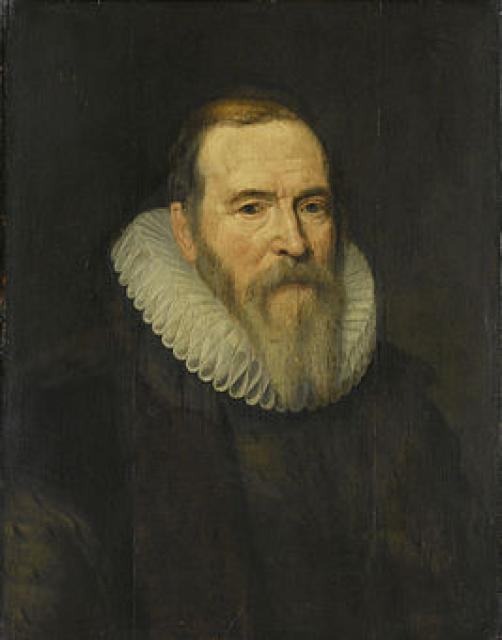
Jan van Oldenbarnevelt
 Netherlands
- Early Life and Education
- Rise to Power
- Involvement in the Dutch East India Company
- Alliance with Maurice of Nassau
- Religious Controversy
- The Decisive Resolution and its Aftermath
- Trial and Execution
- Legacy
Early Life and Education
Johan van Oldenbarnevelt was born in Amersfoort, Netherlands, in 1547. He received a comprehensive education at prestigious universities in Leuven, Bourges, and Heidelberg, specializing in law and political science.
Rise to Power
In 1586, Oldenbarnevelt was appointed as the "landsadvocaat" (advocate for the estates), which effectively made him the prime minister of the province of Holland. He played a crucial role in the Dutch Revolt against Spanish rule, advocating for independence and religious tolerance.
Involvement in the Dutch East India Company
In 1602, Oldenbarnevelt actively participated in the establishment of the Dutch East India Company, which became a major force in global trade and exploration.
Alliance with Maurice of Nassau
Oldenbarnevelt worked closely with Maurice of Nassau, the stadtholder of Holland. However, their relationship became strained over the Twelve Years' Truce with Spain (1609), which Oldenbarnevelt supported against Maurice's wishes.
Religious Controversy
Oldenbarnevelt later became embroiled in the religious dispute between the orthodox Calvinists (Gomarists) and the remonstrants (Arminians). He favored religious tolerance and supported the remonstrants.
The Decisive Resolution and its Aftermath
In 1617, Oldenbarnevelt passed the "Resolutie van de Hollandse steden," opposing the establishment of a Calvinist synod to suppress the remonstrants. His supporters were defeated, and he was arrested in 1618.
Trial and Execution
Oldenbarnevelt was accused of treason and sedition. He was tried and convicted in a highly politicized trial. On May 13, 1619, he was executed in The Hague. His death sparked outrage and controversy.
Legacy
The Synod of Dort (1619) subsequently condemned Arminianism, and many its adherents were forced to flee the country. Oldenbarnevelt's legacy remains complex and contested, with some historians portraying him as a martyr for religious tolerance and others as a betrayer of the Dutch state.



