Jean-Claude Duvalier
 Haiti
Haiti- Biography of Jean-Claude Duvalier
- Rise to Power
- Presidency
- Fall from Power and Exile
- Return and Legal Troubles
Biography of Jean-Claude Duvalier
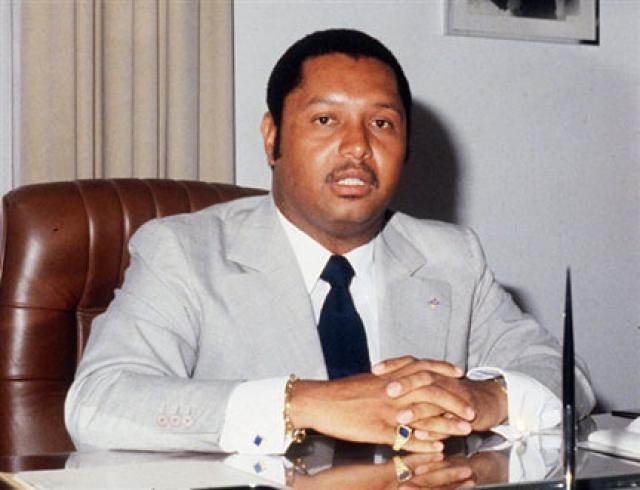
Early LifeJean-Claude Duvalier, also known as Baby Doc, was born on July 31, 1951, in Haiti. He was the only son of François Duvalier, the notorious ruler of Haiti who was commonly known as Papa Doc. Jean-Claude's early years were spent in seclusion as his father was in hiding due to political unrest in the country.

Rise to Power
In 1957, François Duvalier managed to seize the presidency, and the Duvalier family's life changed dramatically. Jean-Claude attended prestigious schools such as College Bird and Saint-Louis de Gonzague, despite the fact that Catholic priests were being expelled from the country due to the rise of voodooism. However, Jean-Claude did not excel academically and instead spent most of his time indulging in nightlife and developing unhealthy habits, leading to his weight reaching 130 kg.

In 1970, François Duvalier altered the constitution to establish himself as a lifelong president and sought to transfer power to his son as quickly as possible. Despite Jean-Claude's lack of political experience and questionable mental stability, he was appointed as the successor in a specially prepared referendum held in January 1971.
Presidency
Upon assuming the presidency, Jean-Claude, known as Baby Doc, continued his playboy lifestyle and delegated most of the country's affairs to his mother, Simone, and his trusted minister, Luckner Cambronne. However, he did initiate some liberalization measures, such as amnesty for political prisoners, relaxation of press censorship, and easing racial restrictions on mulattoes.
While the Duvalier family profited from their monopoly on the tobacco industry and other state enterprises, the country's economic situation deteriorated. The increase in corruption, the growth of the paramilitary group Tonton Macoutes, and the outbreak of diseases such as swine fever and HIV further worsened the situation.
Fall from Power and Exile
In 1985, Jean-Claude organized a referendum to establish his lifelong presidency, which received almost unanimous support from the population. However, anti-government protests erupted, and after a violent crackdown in the city of Gonaïves, the situation became uncontrollable. The US administration negotiated Duvalier's departure, but they refused to grant him political asylum.
On February 7, 1986, the Duvalier family fled to France, leaving behind a country in economic ruin and widespread discontent. Jean-Claude and his family faced lawsuits for the damages they caused, and their assets, including a villa in Cannes and Swiss bank accounts, were seized. Jean-Claude divorced his wife, Michèle Bennett, and began a relationship with Veronique Roy, the granddaughter of a former Haitian president.
Return and Legal Troubles
In 2011, Jean-Claude returned to Haiti, intending to support the country's recovery efforts after the devastating earthquake. However, he was immediately arrested and charged with embezzlement and corruption. He was placed under house arrest in his own mansion. In subsequent court proceedings, Jean-Claude denied involvement in corruption and human rights abuses.
On October 4, 2014, Jean-Claude Duvalier suffered a heart attack and passed away. Despite his controversial reign as Haiti's president, his legacy remains a significant part of the country's history.