Jean Journet
 France
- Early Life and Revolutionary Spirit
- Encounter with Fourier and Furyeuristic Propaganda
- Dispute and Poverty
- Poetic Collections
Early Life and Revolutionary Spirit
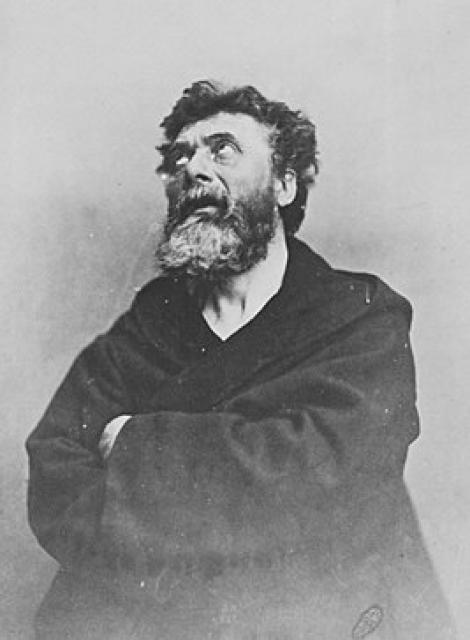
Born in France, Jules Jean Baptiste François Journet became known as a socialist poet inspired by revolutionary ideas from a young age. He joined the secretive Carbonari society, endured imprisonment, but was eventually acquitted. Journet's time in the province as a pharmacist was interrupted by his encounter with the writings of Charles Fourier.
Encounter with Fourier and Furyeuristic Propaganda
Journet traveled to Paris to meet Fourier, becoming an ardent follower of his socialist philosophy. From the late 1830s, he engaged in zealous Furyeuristic propaganda, marked by eccentricities. In 1841, he tossed pamphlets into the opera's stalls from the upper gallery, hoping to spread Fourier's ideas. This stunt earned him a brief stay in an asylum. Upon his release, Journet printed and distributed brochures, preached in public spaces, and relentlessly sought meetings with prominent figures, even attempting to convert the Belgian queen to Fourier's cause.
Dispute and Poverty
Journet's aspiration to be the leading apostle of Furyeurism alienated him from other Furyeurists. His nomadic lifestyle, dedicated solely to propaganda, plunged him into poverty. As a poet, Journet expressed his Furyeuristic ideas and debated opponents (including Proudhon and Cabet) primarily through verse.
Poetic Collections
Journet's major poetic collections include:"La bonne nouvelle ou l'idée succinte de l'association" (1843)
"Les sept clameurs du desert"
"Jérémie en 1845"
"Poésies et chants harmoniens" (1857)
"Résurrection sociale, félicité universelle. Cris et soupirs" (1841-1849)
His last work, "L'apothéose de l'Empire ou le règne de l'Harmonie," attempted to flatter Napoleon III into embracing social reforms.