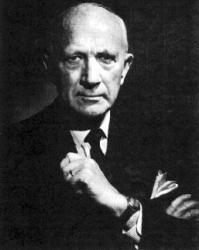
Jean-Martin Charcot
 France
- Jean-Martin Charcot: Father of Clinical Neurology
- Neurology:
- Established the link between poliomyelitis and muscle atrophy
- Provided the first detailed description of multiple sclerosis (1868)
- Conducted extensive research on spinal cord injuries
- Academia and Recognition
- Elected member of the Institut de France (1883)
- One of his most prominent pupils was Sigmund Freud
- Death
Jean-Martin Charcot: Father of Clinical Neurology
Early Life and EducationBorn on November 29, 1825, in Paris, France
Graduated from the Faculty of Medicine, University of Paris (1848)
Became Director of the university clinic in 1853
Professor of Neurology at the University of Paris from 1860
Scientific Contributions
Internal Medicine:
Contributed to the understanding of gout, tuberculosis, fevers, and diseases of the heart, lungs, liver, and kidneys
Neurology:
Focus shifted to neurology in 1862 upon joining the Salpêtrière Hospital
Established the link between poliomyelitis and muscle atrophy
Described Charcot's joint (neurogenic joint swelling) as unrelated to rheumatism
Provided the first detailed description of multiple sclerosis (1868)
Identified amyotrophic lateral sclerosis (1869)Determined the causes of cerebral hemorrhage (in collaboration with C. Bouchard)
Conducted extensive research on spinal cord injuries
Influence on Neurological ThoughtGroundbreaking research on the brain conducted between 1870-1880 generated immense interest
Contributed to the development of the English school of dynamic neurology and neurophysiology
Academia and Recognition
Elected to the French Medical Academy (1872)Honorary member of the American Neurological Association (1881)
Created a special chair for nervous diseases at the Salpêtrière (1882)
Elected member of the Institut de France (1883)
LegacyRenowned for his lectures on hysteria and hypnosis, which had a profound impact on contemporary psychiatry
One of his most prominent pupils was Sigmund Freud
Artistic InterestsCollected paintings, tapestries, icons, and bas-reliefs depicting patients with neurological disorders
Published two books with P. Richer on madness and deformities in art: "Madness in Art" (1887) and "Deformities and Diseases in Art" (1889)