Jean Shaplen
 France
- Jean Chapelain: A Literary Luminary of the 17th Century
- Literary Breakthrough
- Involvement with the Hôtel de Rambouillet
- Role in the French Academy
- Contributions to Classical Theory
- Literary Works and Recognition
- Enduring Legacy
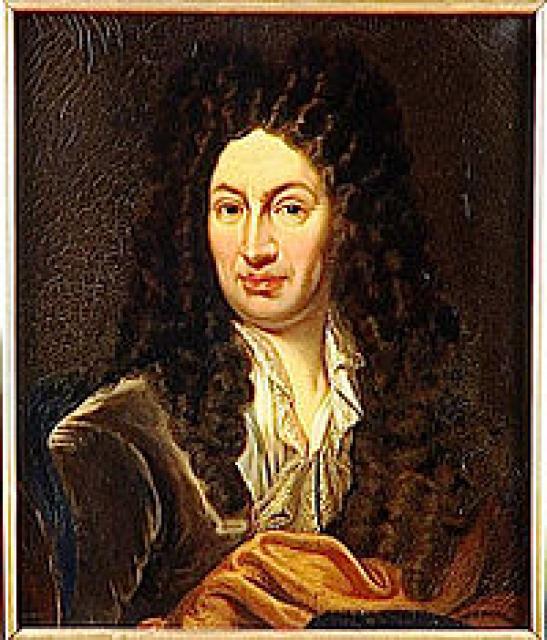
Jean Chapelain: A Literary Luminary of the 17th Century
Early Life and EducationJean Chapelain was a French poet and literary critic born in the 17th century. The son of a notary, he developed a strong foundation in classical languages, including Latin and Greek, as well as Spanish and Italian.
Literary Breakthrough
Chapelain rose to prominence under the patronage of Cardinal Richelieu. His insightful preface to Marino's poem "Adonis" won him Richelieu's favor. Despite his initial compromise on the balance between "pleasure" and "utility" in art, Chapelain later distanced himself from this preface, embracing classicist principles.
Involvement with the Hôtel de Rambouillet
Chapelain frequented the influential Hôtel de Rambouillet, fostering friendships with literary figures such as Montausier, Retz, and Madame de Sévigné. After Richelieu's death, he became a close associate of Colbert, providing lists of deserving writers for royal pensions.
Role in the French Academy
Elected to the prestigious French Academy in 1634, Chapelain played a pivotal role in compiling a dictionary of the French language. His proposal and plan for this undertaking earned the Academy great renown.
Contributions to Classical Theory
Chapelain's "Demonstration of the Rule of Twenty-Four Hours" (1630) laid the groundwork for normative classical aesthetics. He also co-authored the Academy's review of Corneille's "The Cid" (1637), striving to balance criticism with appreciation for the playwright's talent.
Literary Works and Recognition
Chapelain wrote numerous poems, including odes, sonnets, and madrigals, which enjoyed considerable success. His excessive praise drew comparisons to Homer and Virgil, inspiring him to embark on an epic poem about Joan of Arc. However, the work received mixed reviews, with scathing criticism from renowned figures such as Boileau and Voltaire.
Enduring Legacy
Despite the failure of his epic, Chapelain's literary opinions are preserved in his extensive correspondence, including letters to the Dutch diplomat and writer Nicolaas Heinsius. His lasting impact on French literature lies in his contributions to classical theory, his role in the development of the French language, and his enduring status as a literary figure.