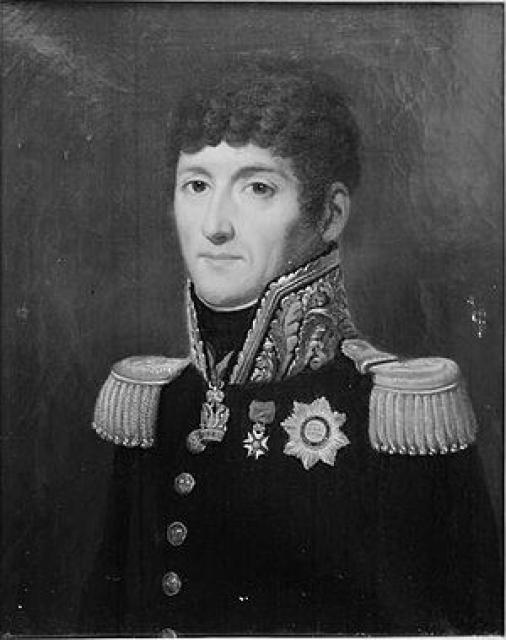
Jean Sorbier
 France
- Early Life and Military Career
- French Revolution and Rise to Prominence
- Napoleonic Wars and Command
- Russian Campaign and Imperial Guard
- Later Career and Legacy
Early Life and Military Career
Jean Barthélemy Sorbier was born into a family of modest nobility on September 1, 1782. His father, a royal army surgeon, envisioned a medical career for his son. However, Sorbier had different aspirations.
On September 1, 1782, at the age of 19, Sorbier joined the Royal Artillery Corps. A year later, he became a second lieutenant and was assigned to a regiment in La Fère. Six years of exemplary service earned him a promotion to lieutenant in 1789.
French Revolution and Rise to Prominence
The French Revolution ignited Sorbier's military prowess. In 1792, he was promoted to major and distinguished himself in the Battle of Valmy. His bravery in the Battle of Arlon (1793) earned him the rank of adjutant-general.
After a brief retirement, Sorbier rejoined the army in 1795 as a brigade commander. He fought in the Sambre-Meuse Army and played a crucial role in the first crossing of the Rhine (1795). In 1797, he was promoted to brigadier general on the battlefield of Neuwied.
Napoleonic Wars and Command
Sorbier's reputation flourished under Napoleon's leadership. He served as commanding officer of reserve artillery in the Army of England and the Main Army. Subsequently, he commanded the artillery of the left flank in the Rhine Army and the second reserve army.
Impressing Napoleon, Sorbier was appointed commander of the artillery in Marshal Davout's camp at Bruges in 1803. He distinguished himself in the Battle of Austerlitz and became the commander of artillery in the Italian Army in 1806.
Russian Campaign and Imperial Guard
In 1811, Sorbier succeeded General Lariboisière as commander of the artillery of the Imperial Guard. He played a vital role in the Russian campaign, leading the reserve artillery of the Grand Army. Despite a misstep at Berezina, Sorbier's reputation remained largely intact.
Later Career and Legacy
After the First Abdication of Napoleon, Sorbier retired briefly. He was elected to the Chamber of Deputies in 1815, but his criticism of Napoleon led to his dismissal and exile. After the Second Restoration, he returned to his hometown and became mayor.
In 1827, Sorbier succumbed to a severe illness. He was buried in the chapel of the church in Saint-Sulpice. His name is inscribed on the Eastern Pillar of the Arc de Triomphe de l'Etoile, and streets in Nevers and Paris bear his name, honoring his military achievements.


