Jeremias Gotthelf
 Switzerland
- Introduction: A Swiss Literary Icon
- "Der Bauern-Spiegel": A Critique of Rural Life
- Novellas: Reflections on Social Issues
- Emergence of Conservatism
- Historical and Legendary Themes: "Die schwarze Spinne"
- Legacy and Impact
Introduction: A Swiss Literary Icon
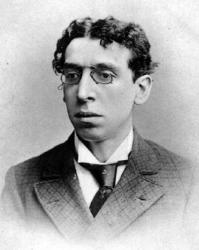
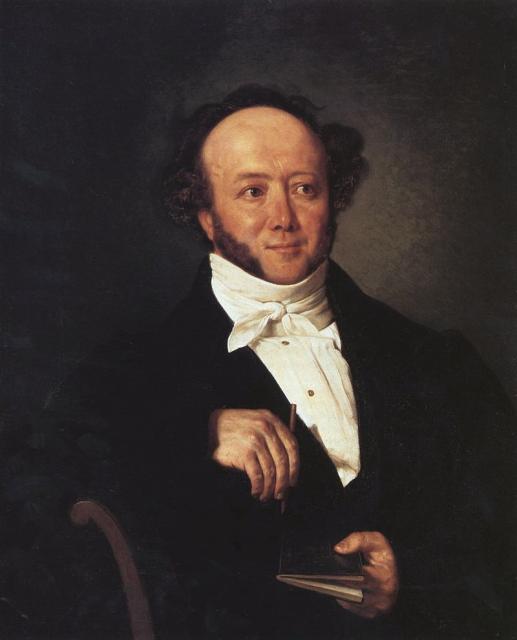
Jeremias Gotthelf, born Albert Bitzius, stands as one of the most significant literary figures in Swiss history. Alongside Gottfried Keller and Conrad Ferdinand Meyer, he elevated German-Swiss literature to international prominence during the 19th century.
"Der Bauern-Spiegel": A Critique of Rural Life
Gotthelf's debut novel, "Der Bauern-Spiegel" (1837), shattered the idyllic representations of Swiss peasant life prevalent at the time. Inspired by his experience as a pastor and educator, he exposed the harsh realities faced by agricultural workers. The novel explored themes of exploitation, social inequality, and the search for truth.
"Uli der Knecht" and "Uli der Pächter": A Journey to Material Well-being
Gotthelf's acclaimed novel, "Uli der Knecht" (1841), and its sequel, "Uli der Pächter" (1849), depict the journey of Uli, a young farmhand. While the first novel highlights the protagonist's moral growth, the second focuses on his struggle for material success. Gotthelf's didactic intent is evident in the novels, promoting the virtues of hard work, perseverance, and good conduct.
Novellas: Reflections on Social Issues
Gotthelf's novellas delved into ethical and social issues with remarkable depth and insight. "Elsi, die seltsame Magd" (1843) explores the complexities of a young woman's emotional turmoil and her unwavering loyalty. His novellas provide a nuanced glimpse into the human condition, capturing both the strengths and weaknesses of individuals amidst the challenges of life.
Emergence of Conservatism
As social tensions intensified in the 1840s, Gotthelf's views shifted towards conservatism. While he had initially supported democratic movements, he grew apprehensive about radical changes that threatened traditional societal structures. His work during this period reflected his belief in the preservation of established norms.
Historical and Legendary Themes: "Die schwarze Spinne"
Gotthelf's historical novellas, such as the renowned "Die schwarze Spinne" (1842), blended historical events with fantastical elements. In "Die schwarze Spinne," the author explores the consequences of defying societal and religious conventions. The tale warns against breaking with tradition and underscores the importance of adhering to moral principles.
Legacy and Impact
Jeremias Gotthelf's literary contributions have made an indelible mark on Swiss literature. His realistic depictions of rural life, his ethical insights, and his exploration of historical and legendary themes continue to resonate with readers today. As a pioneer of Swiss realism, Gotthelf's work remains a testament to the power of literature to reflect, critique, and inspire.