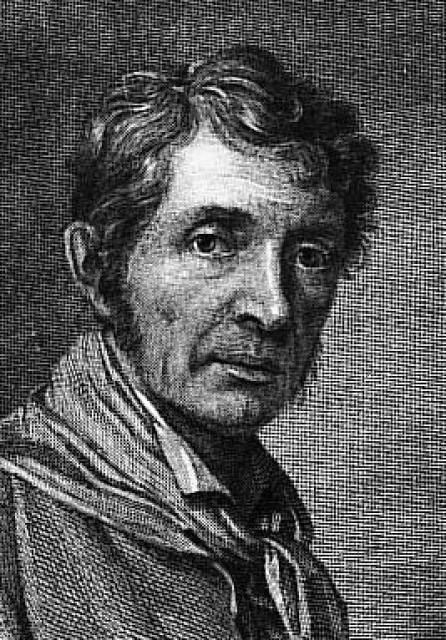
Johann Baptist Lampi
 Austria
- Johann Baptist von Lampi: Austrian Master of Portraiture
- Recognition and Success
- Appointment at the Vienna Academy
- Journey to Russia and Imperial Patronage
Johann Baptist von Lampi: Austrian Master of Portraiture
Early Education and InfluenceJohann Baptist von Lampi was born in Romeno, Austria, in 1751. He received his initial artistic training under the guidance of his father, Mathias Lampi. Later, he honed his skills under the mentorship of Keenig, Unterberger, and Lorenzi in Salzburg and Verona. During this period, he created plafonds, altarpieces, historical paintings, and portraits, demonstrating his remarkable talent and dedication.
Recognition and Success
Lampi's rapid progress earned him recognition from the Veronese Academy of Art, which elected him as a member at the young age of 25. In 1783, he arrived in Vienna, where he quickly became the preferred portraitist of the imperial court and nobility. Among his notable works from this period are the grand portrait of Emperor Joseph II and the exquisite family portrait of Count and Countess Potocki.
Appointment at the Vienna Academy
In 1786, Lampi was appointed professor and council member of the Vienna Academy. The following year, he traveled to Warsaw at the invitation of King Stanislaw-August, where he painted the portraits of the king and members of the Polish and Lithuanian aristocracy.
Journey to Russia and Imperial Patronage
Prince Potemkin, stationed in Moldavia, summoned Lampi to Yassy to create portraits of Bezborodko, Princess Golitsyna, Potemkin himself, and his chancellor, Popov. Through Popov, Empress Catherine II of Russia extended an invitation to Lampi to come to St. Petersburg.
In St. Petersburg, Lampi's first major commission was a full-length portrait of the empress. For this masterpiece, he received not only a single payment of 12,000 rubles but also an annual stipend of 7,000 rubles and 400 ducats to cover his travel expenses and return to Vienna.


