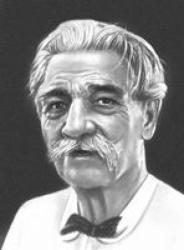
Johann Joachim Lange
- Life and Career of Joachim Lange
- Early Life and Education
- Professor of Theology
- Pietism and Religious Renewal
- Philosophical and Theological Writings
- Legacy
Life and Career of Joachim Lange
Joachim Lange was a renowned author, theologian, and philosopher who made significant contributions to German religious discourse and philosophy.
Early Life and Education
Joachim Lange was born on September 26, 1670, in Gardelegen, Duchy of Magdeburg. His early life and education remain largely undocumented. However, it is known that he completed his theological studies at the University of Halle in 1694.
Professor of Theology
After graduating, Lange became a professor of theology at the University of Halle. In this role, he emerged as a vocal critic of Christian Wolff, a prominent philosopher of the time. Lange vehemently opposed Wolff's philosophical system, accusing him of heresy and undermining the authority of the Bible.
Pietism and Religious Renewal
Lange was a devout pietist, a movement within Lutheranism that emphasized personal religious experience and the pursuit of a devout and virtuous life. Along with August Hermann Francke and Philipp Jakob Spener, Lange played a crucial role in the revival of religious fervor in Germany during the early 18th century.
Philosophical and Theological Writings
Lange's philosophical and theological writings were widely influential in his time. Among his most notable works were:
- Causa Dei et religionis naturalis ad versus atheismum(1723): A defense of the existence of God and the naturalness of religion against atheism
- Modesta disquisitio novi philos, syst. de Deo, mundo et homine(1723): A critique of Wolff's philosophical system, accusing it of pantheism and undermining the foundations of Christianity
Legacy
Joachim Lange's legacy is marked by his contributions to the development of pietism and his influence on German religious thought. His criticism of Wolff's philosophy helped to shape the trajectory of Enlightenment discourse and theology. Lange's writings continue to be studied and debated in学术界.