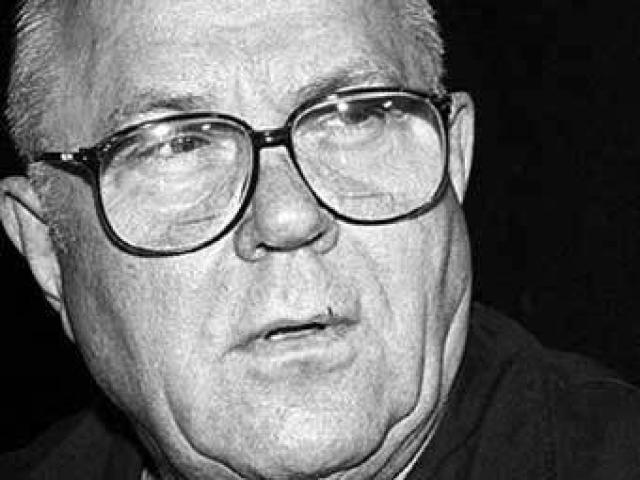
John Demjanjuk
 USA
USA- Biography of John Demjanjuk
- World War II and Captivity
- Emigration to the United States
- Accusations and Trials
- Extradition and Trials in Germany
Biography of John Demjanjuk
Early LifeJohn Demjanjuk was born on April 3, 1920, in the village of Dubove Maharyntsi, which is now part of the Kazatin district in the Vinnytsia region of Ukraine. He was born into a poor peasant family.
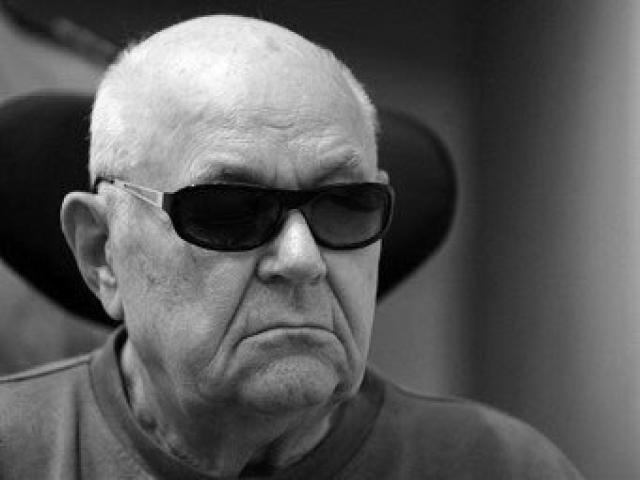
World War II and Captivity
In 1941, on the eve of the start of World War II, Demjanjuk was conscripted into the Red Army. In May 1942, he was wounded and captured by the Germans during the battles near Kerch. According to Demjanjuk himself, he was held in prisoner-of-war camps until 1945, starting with working on the railroad, then being transferred to a camp in Rovno, and spending about 18 months in a camp near the Polish city of Helm. In February 1945, he was transferred to a camp in Graz, Austria, and enlisted in the Russian Liberation Army (ROA) under the command of Andrei Vlasov. He served as a simple soldier, guarding the army's high command, until the end of the war.
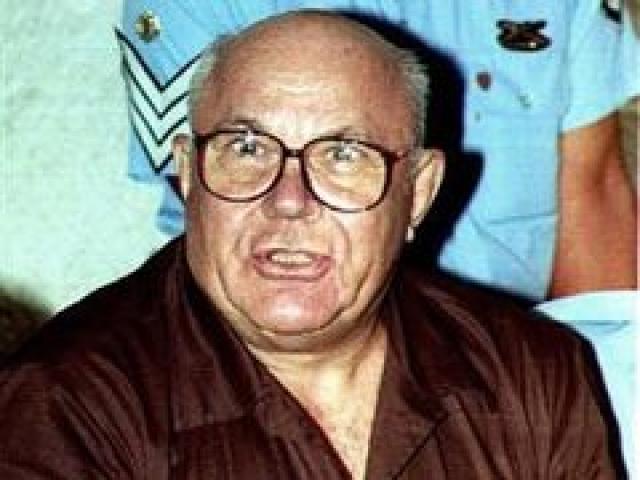
Emigration to the United States
After the defeat of the German army and the ROA, Demjanjuk fled to the American occupation zone and eventually ended up in a displaced persons camp in the Bavarian town of Landshut. He applied for emigration to Argentina and then to the United States. In 1951, his request to move to the United States was granted, and in February 1952, he arrived in America, changing his name to John Demjanjuk. He settled in the state of Indiana and later moved to Cleveland, Ohio, where he worked as a mechanic for Ford.
Accusations and Trials
In 1975, the U.S. Senate received a list from the Soviet and Israeli sides of immigrants living in the country who may have assisted the Nazis in the extermination of Jews. The document stated that after Demjanjuk was captured, he agreed to cooperate with the Nazis and was transferred to the Trawniki camp in Poland, where he underwent voluntary training as a prison guard and gas chamber operator. It was also mentioned that in March 1943, he was transferred to the Treblinka concentration camp in Poland.
In 1977, some surviving prisoners identified Demjanjuk from a photograph as Ivan the Terrible, one of the cruelest guards at the Treblinka camp. Ivan the Terrible personally sent Jews to death, brutally tortured and beat prisoners with a shovel. The U.S. Department of Justice issued a request to revoke Demjanjuk's American citizenship in August 1977. The request was granted in June 1981 by the federal court of the northern district of Ohio, which found Demjanjuk guilty of providing false information about himself in his application for American citizenship.
In February 1986, he was extradited to Israel, where he stood trial for war crimes. In April 1988, Demjanjuk was found guilty and sentenced to hanging. However, after the collapse of the Soviet Union, some secret interrogation materials by KGB officers of German prisoners of war were uncovered, which revealed the true name of Ivan the Terrible as Ivan Marchenko. The Supreme Court of Israel acknowledged that the identification during Demjanjuk's trial was conducted with violations. However, the Israeli investigation showed that the convicted indeed received training in Trawniki and served as a guard in the Sobibor, Majdanek, and Flossenbürg death camps.
In September 1993, Demjanjuk was able to return to the United States, and in 1998, his American citizenship was reinstated. However, a year later, the U.S. Department of Justice again demanded to revoke his citizenship, citing information that Demjanjuk was a guard at Sobibor and Flossenbürg (Majdanek was not mentioned in the charges). In February 2002, the U.S. immigration court ruled to revoke Demjanjuk's citizenship again, and the court's decision was executed in 2004. A year later, a decision was made to deport Demjanjuk.
Extradition and Trials in Germany
In 2008, the German Federal Center for the Investigation of Nazi Crimes collected enough evidence against Demjanjuk and requested his extradition to Germany. In March 2009, the Munich prosecutor's office, at the request of the German Supreme Court, charged Demjanjuk with complicity in the murder of 29,000 Jews at the Sobibor concentration camp from March to September 1943. The prosecution even claimed to have lists of people whom Demjanjuk personally sent to the gas chamber.
After legal delays, the U.S. Supreme Court rejected the request to cancel the deportation in April 2009, and on May 11, 2009, Demjanjuk was brought to Germany on a special flight. Doctors believed that his health condition would not prevent him from being held in prison. It was speculated that the trial of Demjanjuk would be the last trial for crimes committed during World War II. Demjanjuk is married and has three children.


