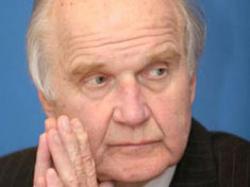
John Dorman Elliott
 USA
USABiography of John Dorman Elliott
John Dorman Elliott, born on October 3, 1941, is a well-known Australian businessman, former leader of the Liberal Party, and former president of the Carlton Football Club. He completed his education at Carey Baptist Grammar School in Kew and went on to study at the University of Melbourne. Elliott earned a bachelor's degree in commerce and later became a Master of Business Administration at the Melbourne Business School.
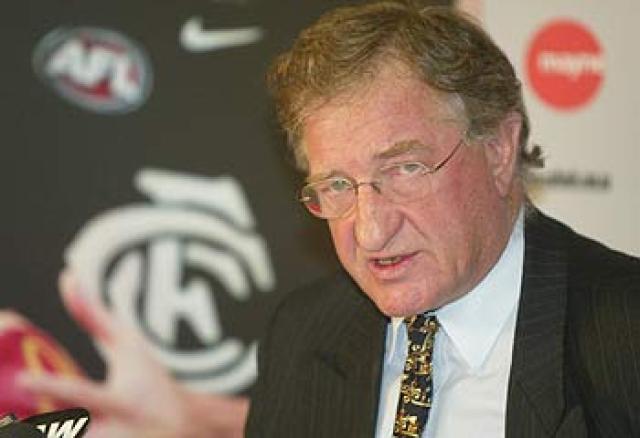
After joining the global consulting firm McKinsey & Co., Elliott and a few partners took control of the jam manufacturer IXL Ltd, which was listed on the Australian Stock Exchange. In the late 1970s and 1980s, Elliott and his team expanded their company through various acquisitions, including Elders Limited, a prominent agribusiness company, Carlton & United Breweries (now part of Foster's Brewing Group), and Henry Jones IXL, a food products manufacturer. During the growth of the company, Elliott also gained recognition as an outstanding president of the Carlton Football Club. Under his leadership, the club won the Australian Football League Premiership Cup twice.
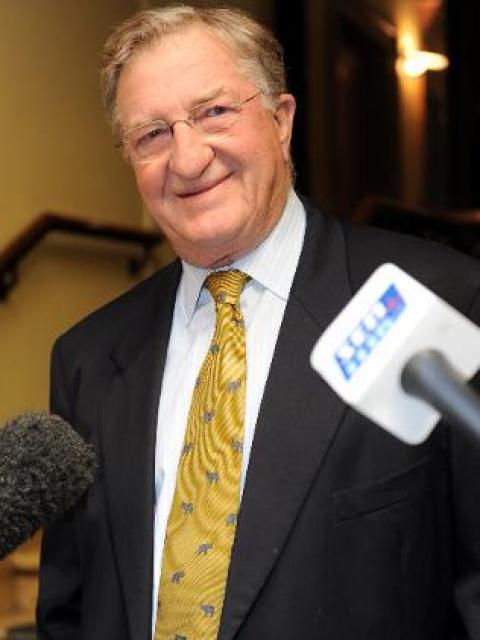
In 1985, Elliott's company, now named Elders IXL, played a crucial role as a "white knight" in thwarting Robert Holmes à Court's attempt to take over BHP Billiton, a mining, oil, and gas company. Elders acquired a significant stake in BHP, preventing Holmes from gaining full control. As a result, Elliott became a member of the board of directors of BHP Billiton. He then attempted to buy out all the remaining shares of Elders IXL and turn it into a private company, but his efforts were unsuccessful. This led to a significant reduction in Elliott's multimillion-dollar fortune.
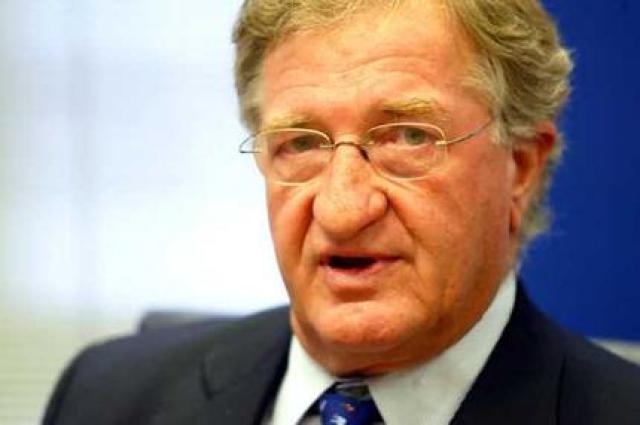
Subsequently, the National Crime Authority (NCA) investigated the currency operations of Elders. One of the company's executives was imprisoned, but Elliott managed to avoid criminal charges. He claimed that the NCA was targeting him at the behest of the Australian Labor Party (ALP), displeased with his position as the leader of the Liberal Party from 1987 to 1990. Elliott filed a civil lawsuit seeking compensation but ultimately sided with the losing party.
In 1990, Elliott actively supported the controversial concept of the Multi-Function Polis (MFP), which advocated for the construction of a technologically advanced city in Australia with a population of 100,000. Andrew Peacock, the leader of the Liberal Party at the time, strongly opposed this plan, stating that the MFP would become an "Asian enclave."
After the 2002 football season, Elliott was dismissed from his position as president of the Carlton Football Club, which he had held for almost 20 years. His authority was revoked when the club was found to have violated the AFL's salary cap rules, resulting in substantial fines and other penalties. Elliott was also held responsible for the club receiving the "Wooden Spoon" award in 2002. Due to his tarnished reputation, despite his long-standing relationship with Carlton, his name was removed from all club insignia at Princes Park (then known as Optus Oval).
Elliott's risky venture with the holding company Water Wheel led to its corporate collapse in 2000. In 2003, the Victorian Supreme Court ordered him to pay $1.4 million to grain suppliers, farmers, and trade creditors as compensation for services not provided by the insolvent Water Wheel company. In 2005, John Elliott declared bankruptcy, owing debts to 14 creditors, including the Australian Taxation Office, Australian Crime Commission, and Australian Securities and Investments Commission.
From 1984 to 1990, John Elliott was a caricatured figure in the Australian puppet series "Rubbery Figures," appearing in various humorous forms before the audience.