John Duigan
 Great Britain
Biography of John Digan
Director John Digan is a successful filmmaker and representative of the new wave of Australian cinema creators. He often wrote the screenplays for his films as well. One important theme for him is the events of the 1960s in Vietnam and their aftermath. His movies often explore social issues and the theme of the outsider, someone who is trying to find their place and become their true self.
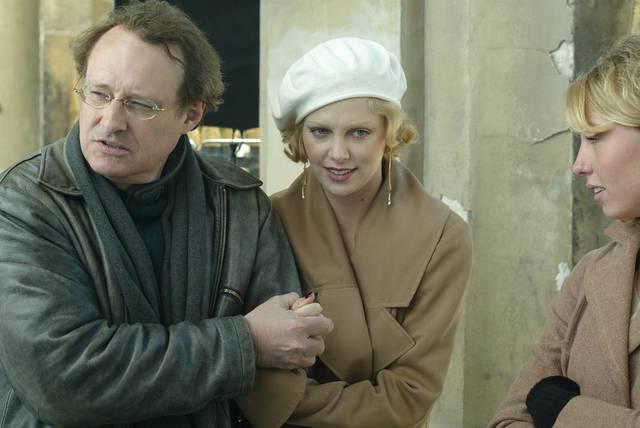
John Digan was born on June 19, 1949, in Hartley Wintney, Hampshire, England, United Kingdom. He was born into a family that had moved to England from Australia (his father served in the Royal Air Force during World War II and stayed on the islands after the war). John grew up first on the shores of foggy Albion, then in Malaya, and later he found himself in Australia, where he was sent to a boarding school. He then attended college and during his student years, Digan began acting in theater and appearing in films. However, he didn't direct his own film until 1974, which was "The Firm Man".
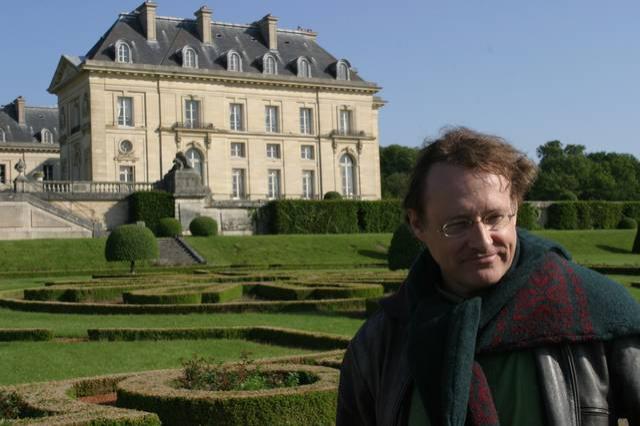
In 1976, John directed the film "The Trespassers", which focused on the political activists of the 1960s and their lives in the 70s. His film "Mouth to Mouth" (1978), which tells the story of four homeless, unemployed teenagers who settle in an abandoned power station and start building their own society, brought him attention and critical acclaim. However, his next film, the adaptation of the comedic play "Dimboola", was deemed unfunny and inadequate to its literary source. As a result, Digan had a falling out with the film's producers and, as a consequence, his name was not even credited in some video versions of the film.
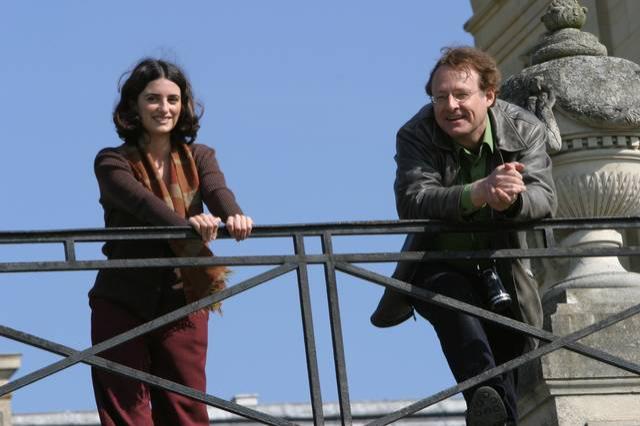
The 1981 film "Winter of Our Dreams" dried up the tarnished reputation of the director, as it was well-received both in his homeland and abroad. The film revolves around the complicated relationship between a former radical, now a law-abiding and successful member of society, and a prostitute brought together by the suicide of a mutual friend. However, Digan's career moved in a sinusoidal manner, with highs regularly followed by lows. His 1982 film "Far East" was considered an unsuccessful mixture of Hollywood-style romance and overly simplified political thriller.
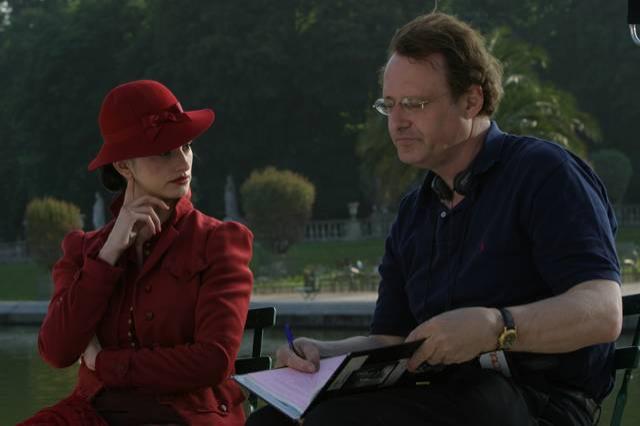
Then, as expected, a bright period came in the form of a fruitful collaboration with the production company "Kennedy Miller." This led to the creation of the mini-series "Vietnam" (1987, aired in Australia) and the films "The Year My Voice Broke" (centered around a love triangle involving charismatic thief Trevor, enigmatic Freya, and the main character, Danny) and "Flirting" (1990). The second of these films continued Danny's story as he, now attending a boarding school, falls in love with the daughter of an African nationalist. Initially, their connection is based on their shared outsider status, which brings them together, but then it deepens into a more mysterious kinship. Nicole Kidman appeared in this film, having previously starred in Digan's children's project "Room to Move" - a story about the friendship between two girls from different social backgrounds, which became part of the Australian series "Winners," later aired in the United States.
Digan's directorial debut in the United States was the 1989 film "Romero," based on true events (the murder of an archbishop). The film was partially financed by the church and received many positive reviews. His next two works bordered on eroticism: "Wide Sargasso Sea" and "Sirens" (a film about repressed spouses played by Hugh Grant and Tara Fitzgerald, whose liberation comes through an encounter with a famous artist). In 1995, the director made the film "The Journey of August King," which was praised by critics for its technical quality but criticized for lacking emotional depth.
In addition to his directing career, Digan began writing and has already created three novels ("Badge," published in 1974; "Players," published in 1988; "Room to Move," published in 1993). Recently, Digan also completed the screenplay for the final film in a trilogy, which began with "The Year My Voice Broke".