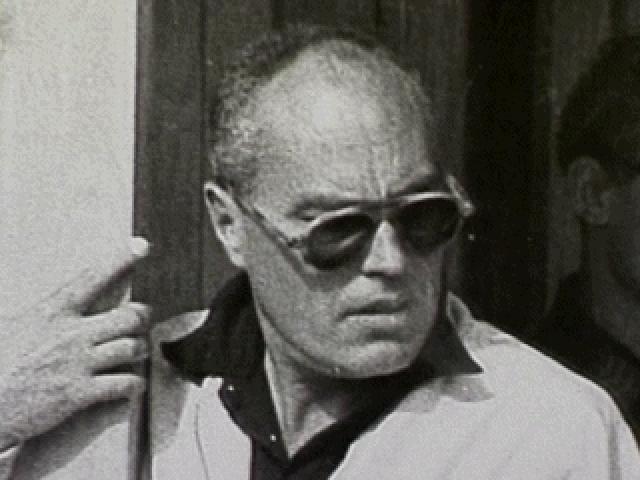
John Eliot Sturges
 USA
USA- John Sturges: An American Filmmaking Legend
- A Journey Through Hollywood
- World War II Service and the Role of the Documentary
- Early Career: A Steady Stream of "B" Films
- Breakthrough and Critical Acclaim: "Bad Day at Black Rock"
- A Pioneer of the Western Genre
- Key Works and Cinematic Impact
- The Power of War Stories: "The Great Escape"
- Retirement and Legacy
John Sturges: An American Filmmaking Legend
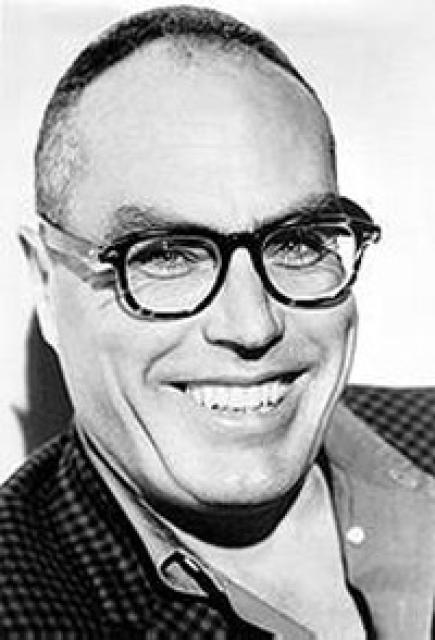
John Eliot Sturges, born on January 3, 1910, in Oak Park, Illinois, embarked on a remarkable career that cemented his status as one of the most distinguished filmmakers of all time.
A Journey Through Hollywood
Sturges's cinematic odyssey began at RKO Pictures, where he honed his skills in various departments. His association with David O. Selznick propelled him into the editing realm, a pivotal phase that paved the way for his eventual directorial debut.
World War II Service and the Role of the Documentary
During World War II, Sturges's military service transformed him into a documentarian and trainer, collaborating with William Wyler on military-related projects. This experience laid the foundation for his future filmmaking endeavors.
Early Career: A Steady Stream of "B" Films
Upon returning to Hollywood in 1946, Sturges made his directorial mark with the detective thriller "The Man Who Dared." His subsequent output largely consisted of "B" films until 1954, when "Bad Day at Black Rock" catapulted him to fame.
Breakthrough and Critical Acclaim: "Bad Day at Black Rock"
Sturges's exceptional handling of the complex actor Spencer Tracy and the film's exploration of racial prejudice and violence earned "Bad Day at Black Rock" three Oscar nominations, including one for Best Director. This defining work cemented Sturges's reputation as a master of tension and suspense.
A Pioneer of the Western Genre
Throughout his career, Sturges expanded the boundaries of the Western genre, injecting it with poignant drama. His contributions were recognized in 1992 when he received the Golden Boot Award for his significant contribution to Westerns.
Key Works and Cinematic Impact
Some of Sturges's most notable works include:- "Gunfight at the O.K. Corral" (1957)
- "The Old Man and the Sea" (1958)
- "The Last Train From Gun Hill" (1959)
His masterpiece, "The Magnificent Seven" (1960), became a cinematic phenomenon, launching several careers and inspiring numerous sequels. The film's unique adaptation of Akira Kurosawa's "The Seven Samurai" earned Sturges a special gift from the acclaimed director: a samurai sword.
The Power of War Stories: "The Great Escape"
Sturges's "The Great Escape" (1963) showcased his ability to craft captivating war narratives based on historical events. The film's global acclaim and subsequent theatrical adaptations underscored its enduring impact.
Retirement and Legacy
Sturges's final film, "The Eagle Has Landed" (1976), delved into the attempted kidnapping of Winston Churchill during World War II. It marked the end of his illustrious cinematic journey, a career characterized by riveting storytelling, captivating characters, and an unwavering commitment to quality.
Sturges passed away at the age of 82 on August 18, 1992, leaving behind an enduring legacy of cinematic masterpieces that continue to inspire and entertain generations.