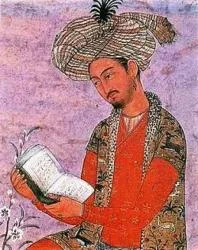
John VIII Palaiologos
John VIII Palaiologos was Byzantine emperor from 1425 to 1448, ruling as Ottoman power steadily reduced the empire’s territory and independence. He pursued Western aid through diplomacy and church union, traveling to Italy for the Council of Ferrara-Florence. The union proclaimed there in 1439 did not win broad acceptance in Byzantium, and the military support John hoped to secure remained limited.
A Court Under Pressure
Born in Constantinople on December 18, 1392, John was the eldest surviving son of Emperor Manuel II Palaiologos and Helena Dragaš. He became co-emperor while his father was alive and took on growing responsibilities as Manuel’s health declined. John became sole emperor in 1425, inheriting a state centered largely on Constantinople, parts of the Peloponnese, and a few other territories.
Byzantium faced repeated threats from the Ottoman sultanate. In 1422, John helped defend Constantinople against a siege by Murad II. The city survived, but the Ottomans continued to expand, and Thessalonica fell to them in 1430. John’s government depended on diplomacy and careful management of limited resources as it sought to preserve the capital.
The Council of Ferrara-Florence
In 1438, John traveled to Italy with a large Byzantine delegation for negotiations with the Western Church. The council moved from Ferrara to Florence, where in 1439 representatives proclaimed a union between the Greek and Latin churches. John supported the agreement in hopes of securing Western assistance against the Ottomans. The union proved deeply controversial among Byzantine clergy and the public, and its provisions were not effectively implemented in Constantinople.
John also used his visit to Italy to engage with Renaissance courts and artists. The distinctive portrait of him by Pisanello, made during the council, became one of the best-known images of a Byzantine emperor.
Final Years and Legacy
John died in Constantinople on October 31, 1448, without a surviving heir. His brother Constantine XI succeeded him and became the last Byzantine emperor. John’s reign illustrates the difficult choices facing Byzantium in its final decades: diplomacy with Western powers, debates over religious unity, and efforts to resist an expanding Ottoman state. His policy at Florence has been judged in sharply different ways, but it reflected the urgent search for allies at a time of existential pressure.