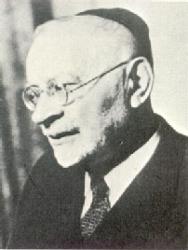
Joris Cassander
 Belgium
- George Cassander: A Bridge Builder in the Protestant Reformation
- Early Life and Education
- Religious Reformation and Reconciliation
- Ferdinand I's Commission
- Catholic Perspective
- Legacy
George Cassander: A Bridge Builder in the Protestant Reformation
George Cassander (c. 1513-1566) was a prominent 16th-century Catholic theologian known for his attempts to reconcile the Catholic and Protestant churches.
Early Life and Education
Cassander was born in Bruges, Flanders, to a wealthy merchant family. He received a classical education at the University of Louvain, where he studied rhetoric and dialectics. After graduating, he taught at the prestigious Collegium Trilingue in Bruges.
Religious Reformation and Reconciliation
With the rise of the Protestant Reformation, Cassander became a keen observer of the religious division that plagued Europe. He believed that a reconciliation between the Catholic and Protestant factions was possible, provided that the Catholic Church reformed its practices.
In his "Responsio ad calumnias Bartholomaei Nervii," Cassander argued that the Catholic Church should retain its hierarchical structure while eliminating abuses. He called for reforms in liturgy, clerical celibacy, and the sale of indulgences.
Ferdinand I's Commission
In 1562, Emperor Ferdinand I commissioned Cassander to draft a plan for unifying the churches. Cassander's "Consultatio de articulis religionis inter catholicos et protestantes controversis" outlined his proposals for compromise on issues such as the Eucharist, justification by faith, and papal authority.
Catholic Perspective
Despite his desire for reconciliation, Cassander's plan ultimately leaned more heavily towards the Catholic perspective. He rejected Protestant doctrines on the Eucharist and justification, and he asserted the importance of the papacy.
Legacy
Cassander's efforts to bridge the religious divide were unsuccessful during his lifetime. However, his writings and ideas influenced later attempts at reconciliation, such as the Augsburg Confession (1530) and the Council of Trent (1545-1563). He is remembered as a theologian who sought to heal the wounds within Christianity and promote unity among believers.