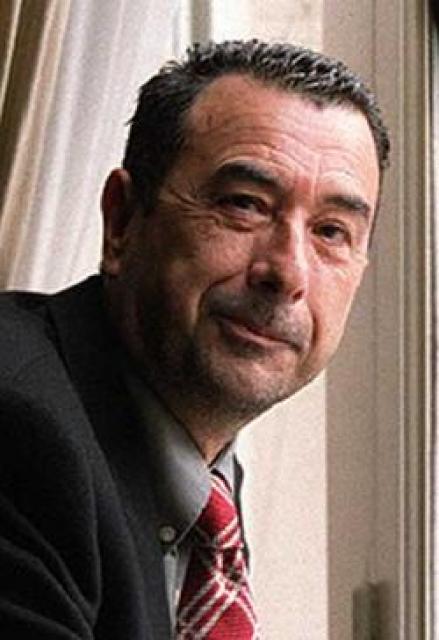
Jose Luis Garci
 Spain
Spain- José Luis Garci: A Cinematic Legacy
- Transition to Screenwriting
- Directorial Debut and Acclaimed Works
- Collaborations and Later Projects
- Accolades and Legacy
José Luis Garci: A Cinematic Legacy
Early Life and Literary PursuitsJosé Luis Garci (born José Luis García Muñoz in 1944) was lured by the world of cinema from a young age. While working in finance, he simultaneously pursued his passion for film by writing reviews in magazines such as 'Signos' and 'Cinestudio.' His critical acumen earned him an award in 1968.
Transition to Screenwriting
In the early 1960s, Garci transitioned to screenwriting, co-authoring films from 1966 onwards. His work as a writer began to flourish in the 1970s, with films like 'No es bueno que el hombre esté solo' (1973) and 'Una gota de sangre para morir amando' (1973).
Directorial Debut and Acclaimed Works
Garci's directorial debut came in 1975 with the documentary short films 'Al fútbol' and 'Mi Marilyn.' His first feature-length drama, 'Asignatura pendiente' (1977), resonated deeply with audiences, capturing the social backdrop of Franco's declining regime.
Garci continued to direct and write acclaimed films throughout the 1980s, earning an Academy Award for Best Foreign Language Film in 1981 for 'Volver a empezar.' His later films include 'Canción de cuna' (1994), 'La herida luminosa' (1997), and 'El abuelo' (1998).
Collaborations and Later Projects
Garci's screenplays often featured collaborations with Horacio Valcárcel, resulting in films like 'You're the One (una historia de entonces)' (2000) and 'Historia de un beso' (2002). He also ventured into short films, co-writing the screenplay for 'A ciegas...' (2007).
Garci's last film to date is 'Sangre de mayo' (2008). He continues to work in television and radio, solidifying his legacy as a versatile and influential figure in Spanish cinema.
Accolades and Legacy
Garci's films have been nominated for the Academy Award four times, a record among Spanish directors. His works are renowned for their emotional depth, thoughtful social commentary, and cinematic mastery, leaving an indelible mark on the history of Spanish cinema.