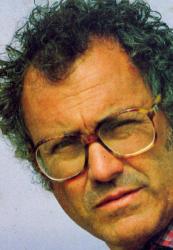
Jose Maria Gabriel y Galan
 Spain
Spain- José María Gabriel y Galán: A Spanish Poet with a Rural Heart
- The Poet's Personality
- Literary Acclaim
- Death and Legacy
- Literary Style
- The Extinction Language
José María Gabriel y Galán: A Spanish Poet with a Rural Heart
Early Life and EducationJosé María Gabriel y Galán was born in the rural region of Extremadura, Spain, where he spent his childhood in his parents' estate. He received his education in Salamanca and Madrid, but soon returned to his beloved Extremadura.
The Poet's Personality
Gabriel y Galán was remembered by his contemporaries as a quiet, reserved, and deeply religious man. Despite his early interest in poetry, his breakthrough came in 1901 when he won the Salamanca poetry contest presided over by Miguel de Unamuno.
Literary Acclaim
Gabriel y Galán's poem "La ama" garnered the coveted laurel wreath from the judges. Unamuno himself took a special interest in the young poet, initiating a lifelong correspondence between them. This was followed by triumph at the Zaragoza poetry festival and subsequent awards, including an accolade in Argentina for his poem "Canto del trabajo."
Death and Legacy
Gabriel y Galán's promising career was abruptly cut short by pneumonia in 1905. His untimely demise occurred in Guijo de Granadilla, a town in Extremadura to which he had recently dedicated a poem.
Literary Style
Gabriel y Galán's rural upbringing and strong religious faith left an indelible mark on his writing. While his works exhibited traces of Modernist influences in form, their essence remained profoundly traditional and imbued with Catholic undertones.
The Extinction Language
A unique aspect of Gabriel y Galán's literary output was his use of "alto-extremeño," the Upper Extremaduran dialect. This dialect had previously been relegated to colloquial speech and never used in serious literature. Gabriel y Galán's experiments in "extremeño" sparked a renewed interest in the local language among some intellectuals of the region.