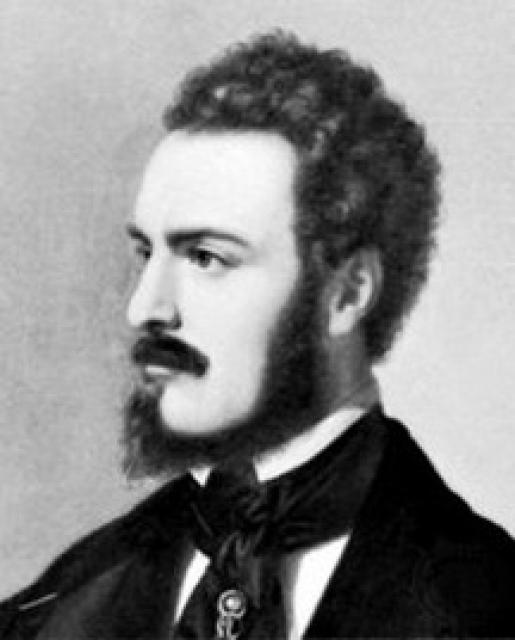
Giuseppe Giusti
- Giuseppe Giusti: A Tuscan Poet of Satire
- A Tireless Critic of Society and Authority
- Beyond Personal Satire
- Political Engagement and Disillusionment
- Legacy and Influence
Giuseppe Giusti: A Tuscan Poet of Satire
Born on May 13, 1809, in Monsummano, Giuseppe Giusti emerged as a prominent figure in Tuscan literature. His satirical poetry and songs, which he referred to as "scherzi" (jokes), drew inspiration from both Italian tradition and the works of Pierre Béranger.
A Tireless Critic of Society and Authority
Giusti's writings were a scathing indictment of the social and political ills of his time. He condemned the ambitions of petty Italian tyrants, the Austrian authorities who ruled northern Italy, and the bourgeoisie who sought to purchase titles. His critique extended to the widespread corruption and debauchery within society.
Beyond Personal Satire
Giusti's satire went beyond targeting individuals, often delving into profound philosophical themes. His contemporaries widely recognized his literary talent, and he also dedicated significant efforts to studying Dante and commenting on the "Divine Comedy."
Political Engagement and Disillusionment
In 1848, amidst Europe's revolutionary upheavals, Giusti actively participated in politics. He was elected to parliament but quickly grew disillusioned with the petty infighting and abandoned his seat.
Legacy and Influence
Giusti passed away in Florence on May 31, 1850. His collected poems were posthumously published later in the century by future Nobel laureate Giosuè Carducci. In Russia, Giusti's works were translated by democratic intellectuals who used them to critique their own society. In the 20th century, notable translations of Giusti's poetry include those by Yevgeny Solanovich. His writings continue to be celebrated today, featuring prominently in the "Literary Monuments" series.


