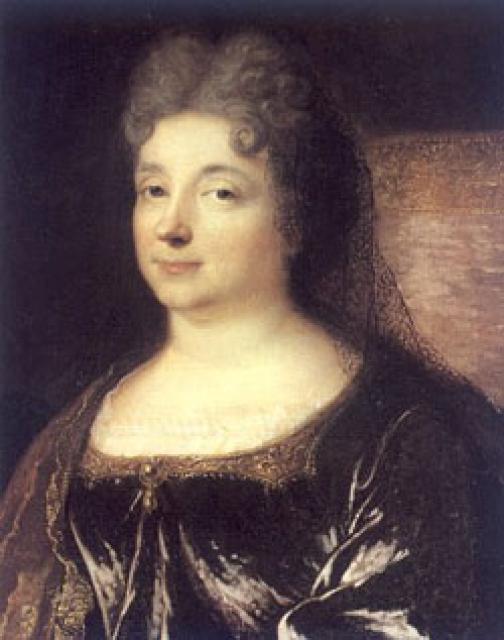
Madame de La Fayette
 France
- Marie de La Fayette: A Literary Pioneer of the French Renaissance
- Marriage and Literary Pursuits
- Friendship with La Rochefoucauld
- "Zaïde" and "La Princesse de Clèves"
- Later Years
Marie de La Fayette: A Literary Pioneer of the French Renaissance
Early Life and EducationMarie-Madeleine Pioche de La Vergne, better known as Madame de La Fayette, was born into a modest yet noble family in Paris on March 18, 1634. At the age of 16, she began studying Italian and Latin under the tutelage of the renowned scholar Gilles Ménage. Ménage not only fostered her love of literature but also introduced her to the influential literary salons of Madame de Rambouillet and Madeleine de Scudéry.
Marriage and Literary Pursuits
In 1655, Marie-Madeleine married the Comte de La Fayette and moved to his estate in Auvergne. She returned to Paris in 1659, reimmersing herself in literary circles. In 1662, she anonymously published her debut novel, "La Princesse de Montpensier."
Friendship with La Rochefoucauld
Around 1665, La Fayette forged a close friendship with François de La Rochefoucauld. Through him, she met the most illustrious literary figures of the era, including Racine and Boileau. This connection significantly enhanced her literary exposure and development.
"Zaïde" and "La Princesse de Clèves"
Between 1669 and 1671, La Fayette released two volumes of her "Moorish" novel "Zaïde," initially attributed to Jean Renaud de Segra but later credited to her. In 1678, she published her most celebrated work, "La Princesse de Clèves," anonymously. This novel is considered a masterpiece of French literature and a forerunner of the psychological novel.
Later Years
Following the death of La Rochefoucauld in 1680 and her husband in 1683, La Fayette lived a more secluded life and ceased publishing new works. Three volumes of her unpublished writings were posthumously released in the 18th century. Marie de La Fayette passed away on May 25, 1693, leaving behind an enduring literary legacy.