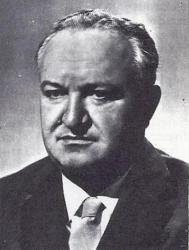
Jose Ramos-Horta
- José Ramos-Horta: Life, Career, and Legacy
- Political Career
- Nobel Peace Prize and International Recognition
- As Minister of Foreign Affairs and Prime Minister
- Presidency
- Assassination Attempt
- Post-Presidency
- Second Presidential Term
- Recognition and Awards
José Ramos-Horta: Life, Career, and Legacy
Childhood and EducationJosé Ramos-Horta was born on December 26, 1949, in Dili, Timor-Leste. His father was a Portuguese exile who was sent to Timor-Leste during the Salazar dictatorship, while his mother was Timorese. Ramos-Horta received his education at a Catholic mission in the small village of Soibada, which was selected by FRETILIN as its headquarters after the Indonesian occupation. He later studied international human rights law and foreign policy at various universities in Europe and the United States.
Political Career
Ramos-Horta played a pivotal role in Timor-Leste's independence movement from Indonesia. He became a minister in the government of the Democratic Republic of Timor-Leste, which declared independence in November 1975. After the Indonesian invasion in 1975, he represented FRETILIN at the United Nations, advocating for Timor-Leste's independence.
Nobel Peace Prize and International Recognition
In 1996, Ramos-Horta and Bishop Carlos Belo were awarded the Nobel Peace Prize for their efforts to end the oppression of the Timorese people. The Nobel Committee recognized their work as instrumental in inspiring diplomatic efforts to resolve the conflict in Timor-Leste.
Ramos-Horta played a leading role in negotiating the institutional framework for Timor-Leste's independence. He headed the Timorese delegation in important joint seminars with the United Nations Transitional Administration in East Timor (UNTAET), which paved the way for Timor-Leste to join the United Nations in 2002.
As Minister of Foreign Affairs and Prime Minister
After Timor-Leste gained independence in 2002, Ramos-Horta became its first Minister of Foreign Affairs. In 2006, he served as both Minister of Foreign Affairs and Acting Minister of Defense. He resigned from both positions in protest of Prime Minister Mari Alkatiri's refusal to step down amid allegations of human rights violations.
Following Alkatiri's resignation, Ramos-Horta withdrew his resignation and was appointed Prime Minister. He held the position until President Xanana Gusmão officially designated him as Prime Minister on July 8, 2006.
Presidency
Ramos-Horta was inaugurated as President of Timor-Leste on May 20, 2007. During his presidency, he focused on national reconciliation, poverty reduction, and strengthening the country's institutions. He also advocated for Timor-Leste to play a more active role in international affairs.
Assassination Attempt
On February 11, 2008, Ramos-Horta was seriously injured in an assassination attempt. He was flown to Australia for medical treatment and later returned to Timor-Leste on April 17, 2008.
Post-Presidency
Ramos-Horta has continued to be an active voice for peace and human rights. He has served as a speaker at Peacejam conferences and on the advisory board of websites dedicated to promoting peace and protecting human rights. He has also been a critic of international inaction in the face of human rights abuses in Myanmar and other countries.
Second Presidential Term
In 2022, Ramos-Horta was elected President of Timor-Leste for a second time. He was inaugurated on May 20, 2022. His current term is marked by a focus on economic development, poverty reduction, and strengthening Timor-Leste's role in the global community.
Recognition and Awards
Throughout his career, Ramos-Horta has received numerous awards and accolades. In addition to the Nobel Peace Prize, he has been honored with the Order of Liberty from Portugal and various other international awards. He is a respected figure in the international community and is known for his unwavering dedication to peace and human rights.