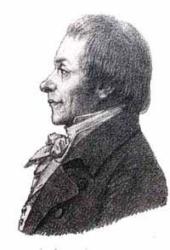
Josef Wirmer
 Germany
- Joseph Wirmer: A German Patriot and Martyr
- Political Activism
- Legal Career and Nazi Opposition
- Resistance to National Socialism
- Leadership in the Resistance
- Role in the 20 July Plot
- Arrest and Trial
- Execution and Legacy
Joseph Wirmer: A German Patriot and Martyr
Early Life and EducationBorn into a devout Catholic family, Joseph Wirmer embarked on a legal career after studying at the universities of Freiburg and Berlin. He passed his legal examinations in 1924 and 1927, earning him the qualification to practice law.
Political Activism
During his student years, Wirmer embraced Leftist political views. He advocated for democracy and became a leader in the Catholic German Student Union, earning the nickname "Red Wirmer."
Legal Career and Nazi Opposition
As an attorney in Berlin, Wirmer joined the Centre Party, which represented the interests of German Catholics. He belonged to its left wing and opposed the rise of the Nazis, seeking to maintain constitutional liberties and a just society.
Resistance to National Socialism
After the Nazis seized power in 1933, Wirmer defended victims of racial persecution, resulting in his expulsion from the National Socialist Lawyers' League. He vehemently opposed the Nazi-Vatican Concordat, seeking support from Cardinal Pacelli, the papal nuncio in Germany.
Leadership in the Resistance
From 1936, Wirmer collaborated with anti-Nazi Christian labor unions led by Jakob Kaiser. In 1941, he joined a group headed by former Leipzig Mayor Carl Friedrich Goerdeler. Wirmer excelled as a negotiator, fostering connections with both conservative and Leftist resistance elements.
Role in the 20 July Plot
Wirmer actively supported the assassination attempt on Hitler on July 20, 1944, perpetrated by Colonel Klaus Schenk von Stauffenberg. He proposed a new state flag that combined republican colors (red, black, gold) with a Christian cross.
Arrest and Trial
Following the failed uprising, Wirmer was arrested on August 4, 1944. In a poignant letter to his wife from prison, he wrote: "Dying is not easy. I hope I will keep my spirit to the end. All I can say is—love each other, be kind to each other, help each other."
During his trial, Wirmer displayed courage and wit, countering harsh accusations from the presiding judge, Roland Freisler. He predicted that Freisler would soon experience the fear he accused Wirmer of lacking, alluding to the Nazis' impending defeat.
Execution and Legacy
Condemned to death on September 8, 1944, Wirmer was executed in Plötzensee Prison two hours later. He remains a symbol of German resistance to Nazism and a testament to the power of individual conscience and unwavering faith.