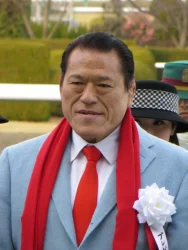
Joseph Estrada
- From Tondo to the Movies
- Local Politics
- President of the Philippines
- Trial, Conviction, and Pardon
- Family and Legacy
Joseph Estrada built a career by playing hard-edged champions of ordinary people on screen, then carried that image into politics. Known popularly as “Erap,” he rose from leading man to longtime mayor, senator, vice president, and ultimately president of the Philippines. His presidency promised to lift the poor, but it ended in a national crisis, an unfinished impeachment trial, and a political downfall that was followed by a plunder conviction and a remarkable return to elected office.
From Tondo to the Movies
Estrada was born Joseph Marcelo Ejercito on 19 April 1937 in Tondo, Manila, to Emilio Ejercito and Maria Marcelo. He attended Ateneo de Manila University and later studied engineering, but left college to pursue acting. His family opposed the decision, and he adopted the stage name Joseph Estrada.
Beginning in his early twenties, he became a familiar presence in Filipino cinema. Over a career spanning more than three decades, he appeared in more than a hundred films and also produced many projects. He often played tough, loyal figures who fought for people with little power, roles that helped make him one of the country’s best-known movie stars. In 1974, he founded the Movie Workers Welfare Foundation to assist people in the film industry; he also helped establish the Metro Manila Film Festival.
Local Politics
Estrada entered politics in the late 1960s and became mayor of San Juan in 1969. He held the office until 1986, building a reputation that combined local administration with his popularity as a screen star. His public persona was direct and familiar, and his film image as a defender of the underdog translated readily into campaign politics.
In 1987, he was elected to the Senate. He later became vice president in 1992 and chaired the Presidential Anti-Crime Commission. His political platform increasingly emphasized poverty and public safety. The slogan “Erap para sa mahirap” (“Erap for the poor”) became the defining line of his 1998 presidential campaign.
President of the Philippines
Estrada won the 1998 election and was inaugurated as the country’s 13th president on 30 June. His victory reflected widespread support among lower-income voters, who saw him as a figure close to their concerns. His government adopted programs presented as pro-poor and pursued efforts to address crime and conflict.
The administration, however, faced mounting allegations of corruption and misuse of office. In 2000, the House of Representatives impeached him on charges that included graft and corruption, bribery, betrayal of public trust, and violations of the Constitution. The Senate trial reached a crisis in January 2001 when senators voted against opening a sealed envelope that prosecutors said contained damaging evidence. The prosecution panel walked out, mass demonstrations grew, and members of the military and police withdrew their support.
Vice President Gloria Macapagal-Arroyo took the presidential oath on 20 January 2001. Estrada left Malacañang Palace that day but did not sign a formal resignation and continued to claim that he remained the lawful president. The Supreme Court later recognized the transition of power. The episode, known as EDSA II, showed how quickly his mass popularity could be overwhelmed by allegations of corruption and a collapse of institutional support.
Trial, Conviction, and Pardon
After leaving office, Estrada faced criminal proceedings. In 2007, the anti-graft court Sandiganbayan convicted him of plunder and sentenced him to reclusion perpetua, a life sentence. The court found him guilty of amassing ill-gotten wealth while in office. President Gloria Macapagal-Arroyo granted him executive clemency in October of that year, restoring his civil and political rights. The pardon did not erase the conviction or all financial forfeitures, but it allowed him to return to public life.
Estrada ran for president again in 2010 and finished second. He then sought local office, winning election as mayor of Manila in 2013. He served two terms, until 2019, when he lost his bid for reelection. His comeback demonstrated the durability of his public persona and of the political support he retained after the turmoil of his presidency.
Family and Legacy
Estrada married physician Luisa Pimentel, and they have children, including actor and politician Jinggoy Estrada. He kept his private life largely apart from the public narrative built around his film roles and political campaigns.
His public legacy remains sharply divided. Admirers remember the movie star who presented himself as the voice of ordinary Filipinos and the politician who repeatedly won popular elections. Critics point to the corruption allegations that led to impeachment and his later plunder conviction. The arc of his career—from the box office to the presidency, through ouster and imprisonment, and back to Manila’s mayoralty—made him one of the most recognizable and controversial figures in modern Philippine politics.