Joseph Joffre
 France
Biography of Joseph Joffre
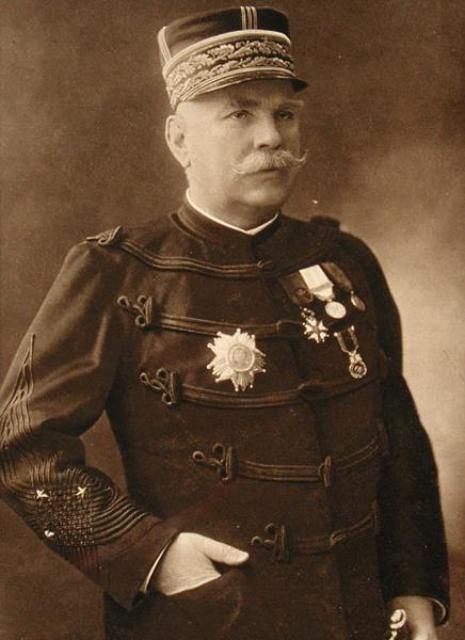
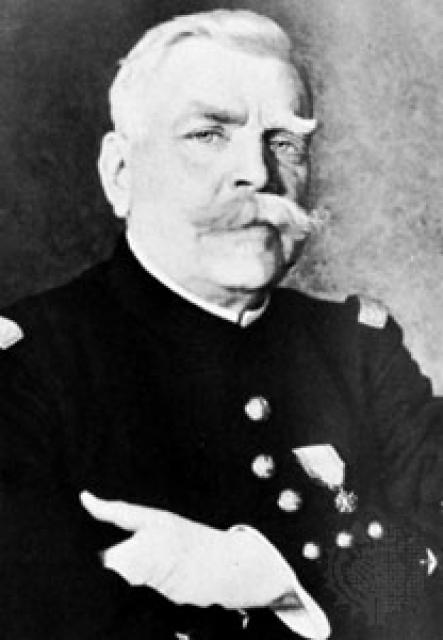
Joseph Jacques Cesar Joffre was a French military figure, a Marshal of France (1916), and a member of the French Academy (1918). Born on January 12, 1852, in Rivesaltes, Roussillon, Joffre was the son of vineyard owners. He attended the Polytechnic School in 1870 and became a career officer. Joffre gained his first experience of military service during the siege of Paris in the Franco-Prussian War, but he primarily served as a military engineer in the colonies throughout his career.
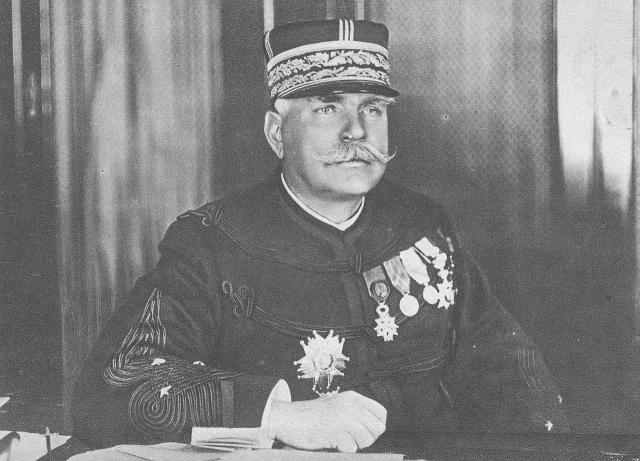
In 1911, Joffre was appointed as the commander-in-chief of the French Army after General Joseph Gallieni declined the position. Joffre adopted the military command strategy developed by Ferdinand Foch, known as Plan XVII. Interestingly, Joffre became the commander-in-chief without any prior experience commanding an army, even on paper, and he was not fully informed about the workings of the general staff.
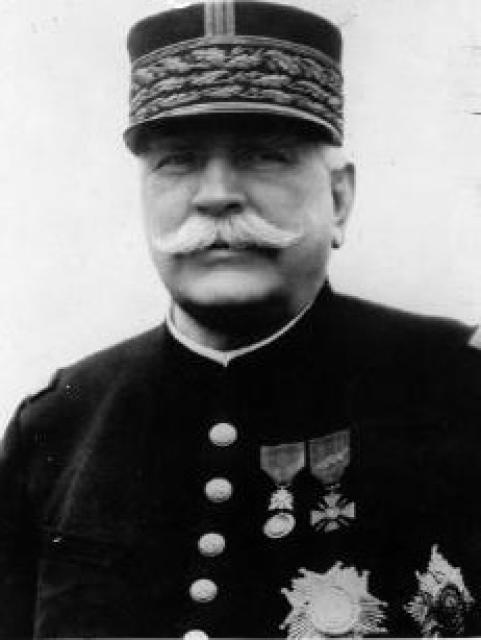
On August 30, 1914, Joffre recommended the evacuation of Paris to the French government. He learned about the "Samsonov catastrophe" and the fact that two German corps were still heading east as reinforcements for East Prussia. On September 1, 1914, after several days of intense fighting, Lanrezac's 5th Army retreated across the Aisne in confusion. Joffre then ordered the formation of a new cavalry corps to fill the gap between the 5th Army and the British Expeditionary Force. Later that day, Joffre replaced Lanrezac with the more aggressive Franchet d'Esperey.
When the organizer of the defense of Paris, Joseph Simon Gallieni, received information that the German 1st Army was advancing to the east, threatening Paris' flank and rear, he managed to persuade Joffre to launch a counterattack with the forces of the 6th Army under Michel Joseph Maunoury. The commander-in-chief, who had almost given the order for all troops to withdraw behind the Seine, listened to Gallieni and ordered the French and British forces to launch a counteroffensive. However, British commander John French continued to lead his troops back until Joffre personally spoke to him in a harsh manner.
After Robert Nivelle was appointed as the new commander-in-chief on December 13, 1916, Joffre became a military advisor to the government. From 1917 to 1918, he led the French military mission in the United States and later in Japan. Joffre was known for his ability to remain calm under pressure and make decisions based on facts. He did not mince his words with his subordinates and, in the summer of 1914, relieved three army commanders, ten corps commanders, and 38 division commanders who had suffered failures from their duties. Joffre was also known as a man of few words. Sometimes he would arrive at a military unit headquarters and silently listen to his officers who were terrified by his silence.
Joffre heavily relied on the opinion of his chief of staff, General Henri Berthelot. He passed away on January 3, 1931, in Paris. His memoirs were published posthumously in 1932 in two volumes.