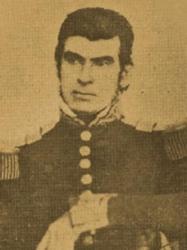
Josip Jelacic-Buzimski
 Austria
- Josip Jelačić Bužimski: A Croatian General and Statesman
- Ban of Croatia
- The Hungarian Revolution
- Return to Zagreb and Croatian Reforms
- Later Career and Legacy
Josip Jelačić Bužimski: A Croatian General and Statesman
Early Life and Military CareerJosip Jelačić Bužimski was born in 1801 to a Croatian baron and Austrian noblewoman. He attended the prestigious Theresianum military academy and entered the Austrian army in 1819. Fluent in multiple Slavic, German, Italian, and French languages, Jelačić displayed a keen interest in history and foreign affairs.
He distinguished himself in combat during the campaign against Bosnian rebels allied with the Ottoman Empire, earning a medal for valor. Jelačić rapidly rose through the ranks, becoming a lieutenant colonel in 1841 and a colonel in 1842. As a military administrator, he gained the respect of local populations by advocating for their welfare during military operations.
Ban of Croatia
On March 22, 1848, Jelačić was appointed Ban of Croatia by the Croatian Parliament (Sabôr). The Sabôr also granted him the rank of major general. Jelačić played a central role in the Croatian national movement, seeking greater autonomy from Hungary, which administered the region.
The Hungarian Revolution
With the outbreak of the Hungarian Revolution in 1848, Jelačić emerged as a staunch opponent of the Hungarian government's attempts to suppress Croatian demands. Despite initial opposition from the Austrian court, he led Croatian forces in support of the emperor. Jelačić's actions were controversial, with divergent interpretations of his motives and loyalties.
Return to Zagreb and Croatian Reforms
In April 1848, Jelačić returned to Zagreb and defiantly refused to recognize the newly-established Hungarian government. He held elections for a Croatian parliament and initiated significant reforms aimed at distancing Croatia from Hungarian control. Jelačić's resistance fueled the growing conflict between Austria and Hungary.
Later Career and Legacy
After the suppression of the revolution, Jelačić served as Croatia's military commander and later as Imperial Governor of the Military Frontier. He died in Zagreb in 1859.
Jelačić remains a highly influential figure in Croatian history. His role in the Croatian national movement, his military prowess, and his efforts to preserve Croatian identity have earned him acclaim as a national hero.