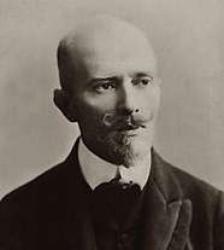
Juan de Tassis Villamediana
 Spain
Spain- Don Luis de Góngora's Brilliant Protégé: Juan de Tassis y Peralta
- Life in Italy and Controversial Reputation
- Artistic Affiliations and Literary Legacy
- Mysterious Demise and Literary Legacy
- Rediscovery and Modern Appreciation
Don Luis de Góngora's Brilliant Protégé: Juan de Tassis y Peralta
Early Life and EducationJuan de Tassis y Peralta was born into a distinguished Spanish family. His father, Juan de Tassis-y-Acuña, was a Spanish grandee with Italian ancestry and a diplomatic envoy for Philip III. Peralta received an exceptional home education, laying the foundation for his future literary prowess.
Life in Italy and Controversial Reputation
From 1611 to 1617, Peralta traveled to Italy, where he became familiar with the latest literary trends of the Baroque era. Upon his return to Spain, he quickly gained notoriety for his sharp wit and satirical epigrams targeting prominent figures of the Spanish court, including the Duke of Lerma. Peralta's outspoken nature also made him a target of the Inquisition, which suspected him of sodomy.
Artistic Affiliations and Literary Legacy
Peralta was a close friend and supporter of the renowned poet Luis de Góngora. Together, they shared a passion for the intricate and ornate style of Baroque poetry. Peralta translated works by Italian and Portuguese poets, including Marino and Camões. His own collection of poems, known as the "Villamedianas," was published posthumously in Zaragoza in 1629.
Mysterious Demise and Literary Legacy
Peralta's life came to an abrupt end under mysterious circumstances. He was killed in a duel, with the identity of his assailant remaining a subject of speculation. The murder inspired numerous popular ballads and later historical dramas and novels.
Rediscovery and Modern Appreciation
Peralta's poetry was not fully appreciated until the 20th century. Modern literary critics, such as Federico García Lorca, José Lezama Lima, Octavio Paz, and others, recognized his brilliance and groundbreaking style. His work remains a testament to the vitality and complexity of Baroque literature.