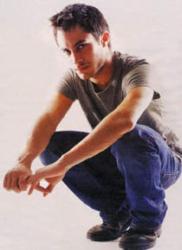
Juhan Viiding
 Estonia
- Early Life and Family
- Education and Theatre Career
- Writing and Artistic Pursuits
- Literary Impact
- Literary Works
Early Life and Family
Johan Viiding was born on June 1, 1948, in Tallinn, Estonia, to Linda and Paul Viiding. His father, Paul, was a renowned Estonian poet and member of the influential "Arbujad" group. Johan was the youngest of four children, and the only boy among three older sisters.
Education and Theatre Career
From 1968 to 1972, Viiding studied theatre arts and dramaturgy at the Tallinn State Conservatory. Upon graduation, he joined the Estonian Drama Theatre, where he worked until his death. He had a particular affinity for the works of Samuel Beckett and Eugène Ionesco, and played roles such as Hamlet and Peer Gynt. His ability to recite poetry became legendary within the theatre community.
Writing and Artistic Pursuits
In addition to his theatre work, Viiding also wrote plays, screenplays, and performed as a singer. He published his poetry under the pseudonym Jüri Üdi until 1975, serving as both his literary alter ego and the catalyst for a new generation of Estonian poets. His poetry was known for its versatile nature, addressing both social issues and playful, satirical themes.
Literary Impact
Viiding's poetry had a profound impact on Estonian literature for decades. His debut collection, "Närvitrükk," was published in 1971 and cemented his reputation as one of the most significant talents of the 1970s. He helped reshape the poetic sensibilities and forms of his contemporaries.
Literary Works
"Närvitrükk" (1971)"Aastalaat" (1971)
"Detsember" (1971)
"Käekäik" (1973)
"Selges eesti keeles" (1974)
"Armastuskirjad" (1975)
"Mina olin Jüri Üdi" (1978)
"Elulootus" (1980)
"Tänan ja palun" (1983)
"Osa" (1991)
Personal Life and Legacy
Johan Viiding's daughter, Elo Viiding, is also a poet. On February 21, 1995, Viiding tragically ended his own life. His legacy as a gifted artist and influential figure in Estonian literature endures to this day.