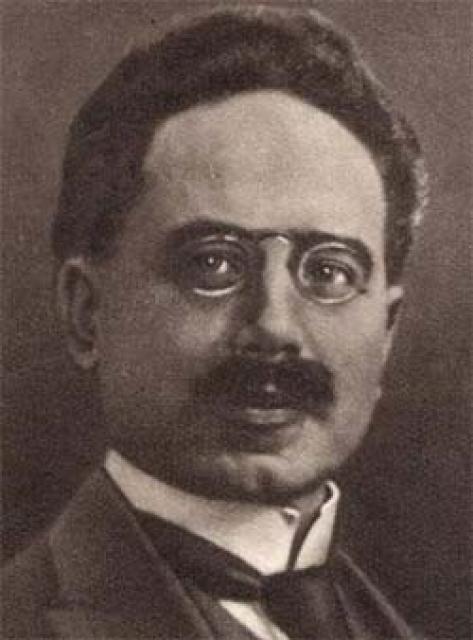
Karl Liebknecht
 Germany
- Early Life and Education
- Entry into Politics
- Anti-Militarist Crusader
- Internationalist Revolutionary
- Parliamentary Activist
- World War I and the Breakout of Dissent
- Founding the Spartacus League
- Imprisonment and Liberation
- The November Revolution and Assassination
- Impact and Legacy
Karl Liebknecht: Revolutionary Leader and Champion of the German Working Class
Early Life and Education
Karl Liebknecht, a pivotal figure in the German and international labor movement, was born on August 13, 1871, in Leipzig, Germany. Pursuing higher education, he studied law at the universities of Leipzig and Berlin.
Entry into Politics
In 1900, Liebknecht joined the ranks of the Social Democratic Party of Germany (SPD). His passion for social justice was ignited when he represented Russian and German social democrats in 1904, defending their right to distribute socialist literature across borders.
Anti-Militarist Crusader
Liebknecht vehemently opposed the reformist tactics of the SPD's right-wing leaders. He emphasized anti-militarist propaganda, believing it was the bedrock of capitalism. At the 1904 Bremen party congress, he condemned militarism and demanded a dedicated campaign against war and a youth organization to mobilize against it.
Internationalist Revolutionary
Liebknecht wholeheartedly supported the 1905-07 Russian Revolution. At the Jena party congress in 1905, he advocated for mass political strikes as a tool to confront the ruling class. His call for international solidarity was evident in his role as one of the founders of the Socialist Youth International (1907), where he served as its chairman from 1907 to 1910.
Parliamentary Activist
In 1908, Liebknecht was elected to the Prussian Chamber of Deputies and in 1912 to the German Reichstag. From the parliamentary platform, he denounced the military monopolies as instigators of war. He tirelessly campaigned for the unification of the international proletariat as a crucial weapon against militarism.
World War I and the Breakout of Dissent
At the onset of World War I in 1914, Liebknecht initially supported war credits, following the SPD's decision. However, he swiftly recognized his error. On December 2, 1914, he became the only Reichstag member to vote against war appropriations, citing the imperialist nature of the conflict.
Founding the Spartacus League
Together with Rosa Luxemburg, Liebknecht played a pivotal role in establishing the Spartacus League in January 1916. Opposed to the SPD's support for the war, they advocated for civil war and the creation of a new International.
Imprisonment and Liberation
In January 1916, Liebknecht was expelled from the SPD parliamentary faction. His calls for workers' protests led to his arrest and subsequent imprisonment for over four years. Despite his incarceration, he remained defiant, eagerly embracing news of the Russian October Revolution.
The November Revolution and Assassination
Upon his release in October 1918, Liebknecht resumed his revolutionary activities. He played a key role in organizing the November Revolution, urging workers to overthrow the government. Together with Rosa Luxemburg, he co-founded the newspaper "Rote Fahne."
Tragically, Liebknecht's revolutionary zeal drew the ire of counter-revolutionary forces. On January 15, 1919, he and Rosa Luxemburg were arrested and brutally murdered by right-wing extremists.
Impact and Legacy
Karl Liebknecht's unwavering commitment to the working class, his anti-war stance, and his relentless pursuit of social justice left an indelible mark on the history of Germany and the international labor movement. His defiance and sacrifice continue to inspire generations of activists fighting for a more just and equitable world.


