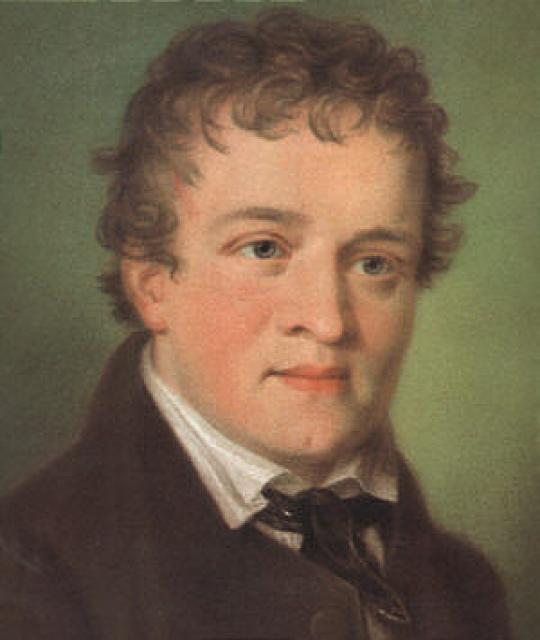
Kaspar Hauser
 Germany
- An Enigma of the 19th Century: Kaspar Hauser
- A Disconcerting Discovery
- A Secret Child
- A Compassionate Protector
- Powerful Patrons and Suspicions
- A Philosophical Mentor and Extraordinary Abilities
- From Naivety to Cunning
- A Tragic End
An Enigma of the 19th Century: Kaspar Hauser
Kaspar Hauser, whose fate has remained a profound mystery, stands as one of the most enigmatic figures of the 19th century. Born on April 30, 1812, and dying tragically on December 17, 1833, his life and circumstances continue to intrigue and confound historians.
A Disconcerting Discovery
In May 1828, Kaspar Hauser emerged in Nuremberg, Germany, displaying an uncannily childlike demeanor despite his teenage appearance. His inability to navigate or walk raised immediate suspicion, and a letter found upon his person shed some light on his perplexing existence.
A Secret Child
The letter revealed that Hauser had been left with an impoverished family on the border of Bavaria in October 1812. It contained strict instructions to keep him isolated and to hinder his development. The child's name, it stated, was Kaspar Hauser.
A Compassionate Protector
Andre Andreas Hippel, a local police officer, became Hauser's guardian in the Nuremberg prison. Through his fatherly care and warmth, Hauser began to comprehend basic requests and acquired the ability to walk and utter his first conscious words.
Powerful Patrons and Suspicions
Over time, influential patrons took interest in Kaspar Hauser. Mayor Jakob Binder and Paul von Feuerbach, president of the Bavarian court, became his guardians. The boy's enigmatic appearance sparked theories that he might be the illegitimate child of a wealthy or noble family.
A Philosophical Mentor and Extraordinary Abilities
Friedrich Daumer, a philosopher, assumed responsibility for Hauser's education. In their extensive discussions, Daumer discovered Hauser possessed alleged psychic abilities. For years, Hauser resided in various prominent households, while enduring several assassination attempts.
From Naivety to Cunning
Despite his early innocence, exposure to high society eventually corrupted Hauser. He developed a capacity for deception and cunning, exploiting his unusual abilities for personal gain. However, his lies and machinations were eventually exposed, and he fell out of favor.
A Tragic End
Kaspar Hauser was sent to live in an obscure town, where he faded into obscurity. On December 14, 1833, a fatal encounter set in motion. Hauser was fatally stabbed by an unknown assailant, and he succumbed to his injuries on December 17, 1833.



