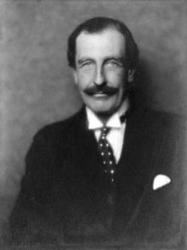
Konstantin Morozov
 Ukraine
- Striking and Well-Decorated Military Career
- Command and Leadership Roles
- Commander of the 17th Air Army
- Independence and the Ministry of Defense
- Post-Military Career
- Diplomatic Service
- Academic Achievements and Legacy
Striking and Well-Decorated Military Career
Konstantin Morozov, a distinguished military figure in both the USSR and Ukraine, embarked on his military journey when he graduated from the Kharkiv Higher Military Aviation School for Pilots in 1967. As a pilot in the Northern Group of Forces, he ascended through the ranks, serving as a commander at various levels before pursuing higher education at the Gagarin Air Force Academy, which he completed in 1975.
Command and Leadership Roles
Morozov's exemplary service earned him appointments as a flight instructor, squadron commander, deputy commander of an aviation regiment, and later as chief of an airbase. He continued his military career in Central and Southern Group of Forces, eventually being assigned to the Voroshilov General Staff Academy, where he graduated with distinction in 1986.
Commander of the 17th Air Army
Morozov's leadership skills and strategic acumen were recognized when he was appointed as Chief of Staff and First Deputy Commander of the 17th Air Army in 1986. In 1988, he moved to the same position in the air army headquartered in Kyiv, and in 1990, he assumed the role of Commander of the 17th Air Army.
Independence and the Ministry of Defense
Morozov played a pivotal role during the pivotal events of 1991 in Moscow. He steadfastly supported Ukraine's aspiration for independence and played a prominent role in the establishment of an independent Ukrainian state. On September 3, 1991, the Ukrainian Supreme Council appointed him as the first Minister of Defense of Ukraine.
Under Morozov's leadership, Ukraine established its own national system for managing its military forces and organized the swearing-in of officers to the Ukrainian cause. He oversaw the initial reorganization of the former USSR military forces into the Armed Forces of Ukraine. However, his personal stance on the Black Sea Fleet, which differed from the President's, led him to tender his resignation as Minister of Defense in 1993.
Post-Military Career
After leaving the Ministry of Defense, Morozov embarked on a public service career. He held various roles, including member of the Coordinating Council of the Congress of Ukrainian Intelligentsia, leader of the electoral organization "Democratic Association of Ukraine," and coordinator of democratic parties in Ukraine.
Diplomatic Service
In 1996, Morozov transitioned to diplomatic service. He held key positions at the Ukrainian Embassy in Brussels, including Counselor-Envoy, Chief Coordinator of Cooperation with NATO-EAPC, and Deputy Head of Mission to NATO. From 2000 to 2007, he served as Ambassador of Ukraine to the Islamic Republic of Iran, Special Envoy to the Ministry of Foreign Affairs of Ukraine (focusing on Ukraine-NATO relations), and Head of Mission to NATO (Brussels, Belgium). Morozov resigned from his diplomatic post in 2007 due to a shift in Ukraine's position on NATO integration.
Academic Achievements and Legacy
Morozov pursued higher education throughout his career. He studied English, political science, public administration, and international security policy as a Senior Fellow at Harvard University's Kennedy School of Government. He also completed a doctoral program at the International Open University, earning a PhD in political science.
Konstantin Morozov's military and diplomatic career has left an indelible mark on Ukrainian history. His dedication to service, unwavering support for Ukrainian independence, and his distinguished leadership have contributed significantly to the nation's development and international standing.