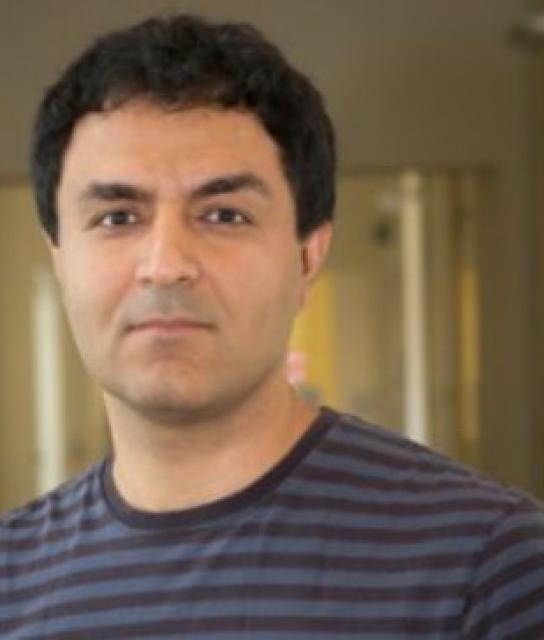
Kourosh Kalantar-Zadeh
 Australia
- Electrical Engineer Revolutionizes Gut Analysis
- The Importance of Gut Health
- Intestinal Gases: A Novel Diagnostic Tool
- Fecal Fermentation: A Non-Invasive Technique
- Gas-Sensing Capsules: Wireless Monitoring
- Promise for Non-Invasive Diagnostics
- Understanding Gut Microbes
- Personalizing Healthcare
Electrical Engineer Revolutionizes Gut Analysis
Dr. Kurush Kalantar-Zade, an electrical engineer and professor at the Royal Melbourne Institute of Technology, has made a significant breakthrough in gut analysis by studying intestinal gases. This innovative approach offers a non-invasive and potentially life-saving method for early disease detection.

The Importance of Gut Health
The gut, a vital part of the human body, is often difficult to assess accurately without unpleasant invasive procedures. Timely diagnosis of diseases is crucial, especially for life-threatening conditions like cancer.
Intestinal Gases: A Novel Diagnostic Tool
Kalantar-Zade and his team have discovered that intestinal gases can reveal valuable information about a person's health. Their analysis methods have the potential to detect a wide range of conditions, including irritable bowel syndrome and colon cancer.
Fecal Fermentation: A Non-Invasive Technique
One of the methods developed by Kalantar-Zade is called 'fecal fermentation.' Stool samples are placed in a container that mimics the gut environment. As the samples ferment, they release gases that are automatically analyzed by sensors within the container. Kalantar-Zade refers to these containers as "fecal digesters."
Gas-Sensing Capsules: Wireless Monitoring
The second approach involves using gas-sensing capsules that transmit data directly from the gut to a mobile device. These capsules are small (1 cm long), inexpensive (around $6.70 each), and resemble ordinary pills. They contain a sensor to analyze internal gases, a microprocessor to process the data, and a Wi-Fi transmitter to send the information externally.
Promise for Non-Invasive Diagnostics
Kalantar-Zade's technology has demonstrated promising results in analyzing gut gases. By studying the composition of these gases, it may become possible to diagnose a wide range of diseases accurately and early.
Understanding Gut Microbes
Beyond disease detection, the analysis of intestinal gases can provide valuable insights into the role of gut microbes in digestive health and nutrient metabolism. By studying the activity of these microorganisms, researchers hope to gain a better understanding of gut function and its implications for overall health.
Personalizing Healthcare
The analysis of gut gases through capsules will enable individuals to assess the compatibility of certain foods with their digestive systems. This information could lead to personalized dietary recommendations or prompt visits to healthcare professionals for further evaluation.