Krzysztof Kosinski
- Krystof Kosinski: A Nobleman's Journey to Rebellion
- From Serfdom to Cossack
- Land Dispute and Rebellion
- The Kosinski Uprising
- Defeat and Submission
- Unfulfilled Promises
- Legacy
Krystof Kosinski: A Nobleman's Journey to Rebellion
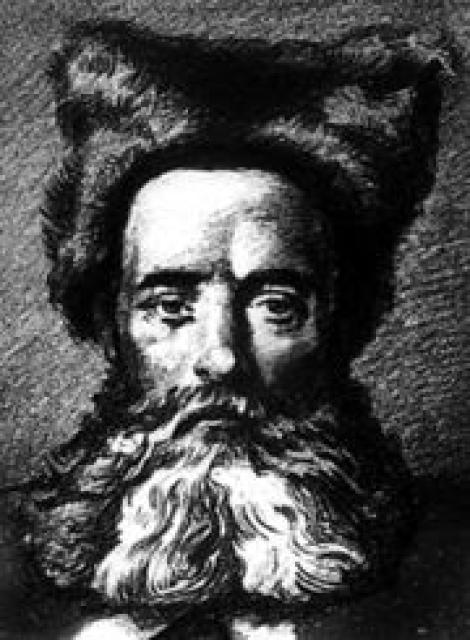
Krystof Kosinski, a nobleman from the Kosinski family, was born into an era of religious and political turmoil. As a devout Orthodox Christian, he found himself torn between his faith and the increasing influence of Catholicism within the Polish-Lithuanian Commonwealth.
From Serfdom to Cossack
Prior to 1586, Kosinski served as a vassal to the Ostrozhsky princes. However, after losing his ancestral estate, he was forced to flee and sought refuge among the Cossacks of the Zaporozhian Sich. Recognizing his military prowess, they granted him the rank of colonel of the Registered Cossack Army in 1590.
Land Dispute and Rebellion
Kosinski's troubles escalated when Janusz Ostrozhsky, the starosta of Bila Tserkva, seized his lands in 1591. Outraged, Kosinski rallied 5,000 Cossacks and stormed the city, sparking a major rebellion. This dispute between two noblemen quickly transformed into a wider uprising against aristocratic oppression and religious persecution.
The Kosinski Uprising
Throughout 1592, the Cossacks led by Kosinski captured numerous towns and cities, including Pereyaslav, Kyiv, and Tripillia. Their actions were met with fierce resistance from the Polish-Lithuanian authorities, who considered the rebellion a personal matter between two noble families.
Defeat and Submission
In 1593, a combined force led by Janusz Ostrozhsky and Aleksander Wisniowiecki defeated Kosinski's army at the Battle of Pyatka. The rebels surrendered and swore allegiance to the Ostrozhskys. Kosinski, as a gesture of submission, was humiliated by being forced to kneel before Prince Konstanty Ostrozhsky.
Unfulfilled Promises
Despite his capitulation, Kosinski returned to the Sich and violated his agreement. In May 1593, he attempted to seize Cherkasy but was killed in the ensuing battle. His death marked the end of the Kosinski Uprising.
Legacy
Krystof Kosinski's historical image remains complex. While Ukrainian historiography portrays him as a martyr for Orthodox Christianity and Cossack freedoms, his primary adversary, Konstanty Ostrozhsky, was also a devout Orthodox. Nonetheless, Kosinski's rebellion remains a testament to the religious and social tensions that plagued Poland-Lithuania during the late 16th century.