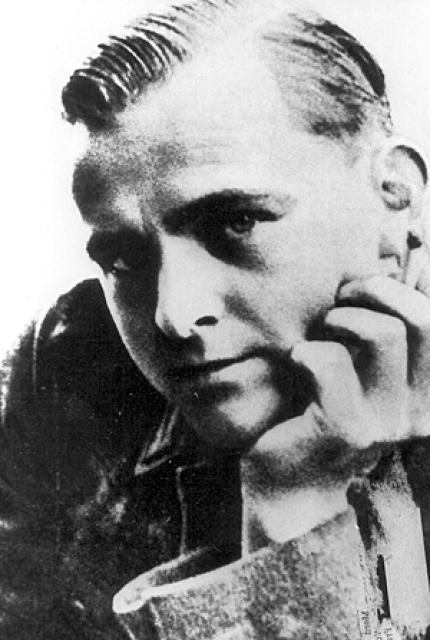
Kurt Huber
 Germany
Biography of Kurt Huber
Kurt Huber was a well-known Swiss figure, a courageous and talented individual who fought against the Hitler regime. Born on October 24, 1893, in Switzerland, Huber came from a German family. They initially resided in Stuttgart, but after Kurt's father passed away, the family relocated to Munich. From a young age, Huber displayed numerous talents and had a penchant for various fields of study, including philosophy, psychology, and music.
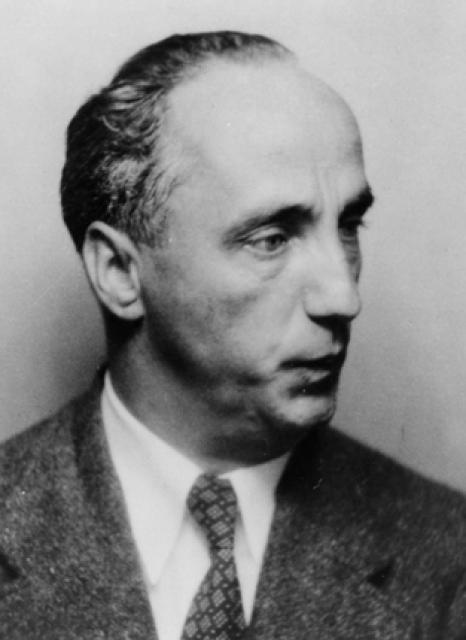
At the age of twenty, Kurt Huber became a professor at the Ludwig Maximilian University in Munich. Throughout his life, his potential remained exceptionally high, promising great achievements in various aspects of life. However, as Nazism gained strength, Huber focused all his attention on combating this destructive ideology. He was deeply disturbed by the atrocities committed by the fascists and often delivered lectures and organized events condemning Hitler and his followers. Kurt openly expressed his desire for a swift change in regime and the overthrow of the Nazis. His activism increased when he became a member of the "White Rose" society.
Kurt Huber was beloved and respected by a large audience of students who attended his lectures on different subjects. He never concealed his own position as a scholar and citizen, insisting that every individual should be engaged in the affairs of their country and be politically informed and principled. Naturally, Huber's activities were not welcomed by the ruling regime. Consequently, he was arrested on February 27, 1943, in front of his wife and children. The famous twentieth-century composer and influential figure, Carl Orff, witnessed the arrest but chose not to aid in Huber's release despite pleas from Kurt's wife. After Huber's death, Orff expressed remorse and tearfully begged for forgiveness for his betrayal and cowardice.
Kurt Huber was sentenced to execution and on July 13, 1943, he was beheaded in one of Munich's prisons. His memory continues to live on, and a square in front of the main building of Ludwig Maximilian University has been named in his honor.