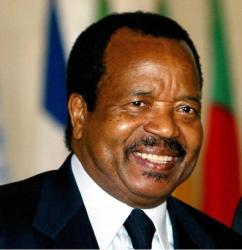
Lawrence Gonzi
 Malta
Malta- Biography of Lawrence Gonzi
- Influence and Nationalist Policies
- European Union Membership
- Nationalist Foreign Policy
Biography of Lawrence Gonzi
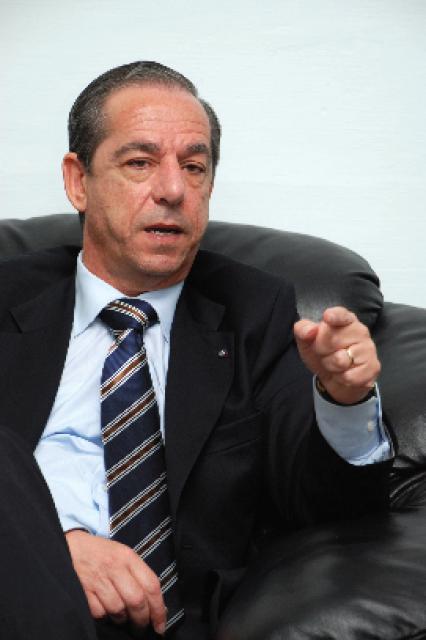
Early Life and Political CareerLawrence Gonzi, a Maltese politician, was born on July 1, 1953, in the capital city of Valletta. He comes from an influential aristocratic clan in Malta and is the great-nephew of the renowned Archbishop Michael Gonzi. In 1961, Archbishop Gonzi excommunicated all Labor Party members, which had a significant impact on Lawrence's upbringing.
In 1964, Malta gained independence from British rule, and in 1979, it became a fully independent country. The country's political landscape was dominated by two major parties, the Nationalist Party and the Labor Party. The Nationalist Party, representing the interests of native Maltese, held substantial power in Parliament, ultimately governing the country.
Influence and Nationalist Policies
As the Prime Minister of Malta since 2004, Lawrence Gonzi has proven himself to be an influential politician who shapes both domestic and foreign policies. The role of the Prime Minister in the Maltese Republic holds more significance than that of the President. Therefore, Gonzi's position is not merely symbolic but holds genuine political power.
Malta, situated between Sicily and Tunisia, has been a transit point for African immigrants seeking a better life in Europe. Some of these immigrants chose to settle in Malta, leading to the rise in popularity of the Nationalist Party, which advocates for the interests of native Maltese. The stability and thriving economy of Malta, aided by its strategic location between Europe and Africa, have attracted many immigrants. Despite being perceived as racist towards people with darker skin tones, Maltese society easily assimilates white immigrants. In fact, a significant portion of the population speaks not only Maltese and English but also Russian, with the highest number of marriages between Maltese citizens and Russians.
European Union Membership
Gonzi strongly supports Malta's membership in the European Union. Under his leadership, Malta joined the EU in 2004 and became part of the Eurozone on January 1, 2008. However, there are opposing views within the country, with the Labor Party representing those who are against European integration. In an attempt to bridge this divide, the Maltese Parliament elected a representative from the Labor Party, George Abela, as President in April 2009.
Nationalist Foreign Policy
Gonzi continues to implement the policies of the Nationalist Party. While Malta joined the EU for economic benefits as a net importer of goods, it maintains a nationalist foreign policy. For instance, in April 2009, Malta refused to accept 150 Turkish illegal immigrants rescued at sea, putting pressure on the Italian government to take them in.
Overall, Lawrence Gonzi's political career has been marked by his influential role as the Prime Minister of Malta, driving the country's domestic and foreign policies. His support for EU membership and nationalist priorities has shaped Malta's position in the international arena.