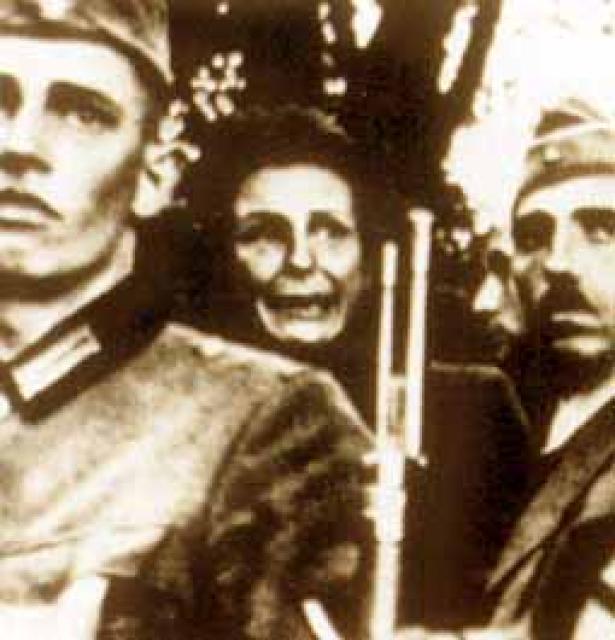
Leni Riefenstahl
 Germany
Biography of Leni Riefenstahl
Leni Riefenstahl, born on August 22, 1902, was a German film director, actress, and dancer. She is one of the most famous and talented female directors in the history of cinema. Despite her achievements, Riefenstahl is often associated with Adolf Hitler and the Nazi regime.
Early Life and Career
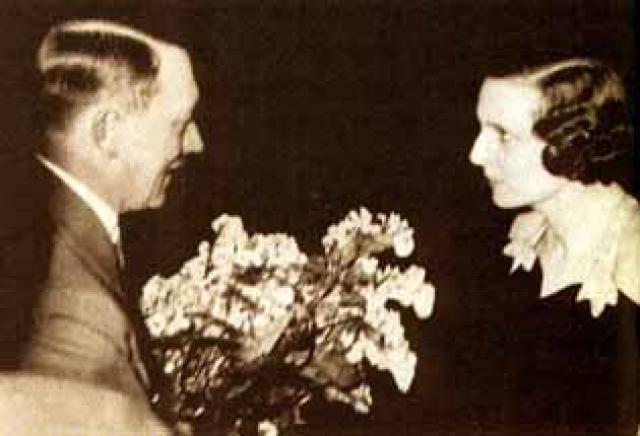
Riefenstahl was born into a wealthy family in Germany. She had a passion for dance and became a professional dancer at a young age. Her performances were well-received, and she gained popularity in Berlin, Munich, Prague, and Zurich. Riefenstahl's beauty, expressive eyes, and fiery red hair added to her allure.
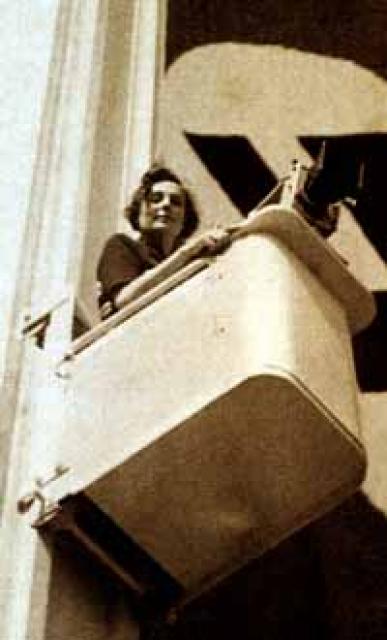
However, she soon felt confined by the limitations of being an actress and wanted to take control of her own creative vision. Inspired by the mountain films of Arnold Fanck, Riefenstahl decided to venture into filmmaking and made her first film, "The Blue Light," in 1932.
Collaboration with the Nazi Regime
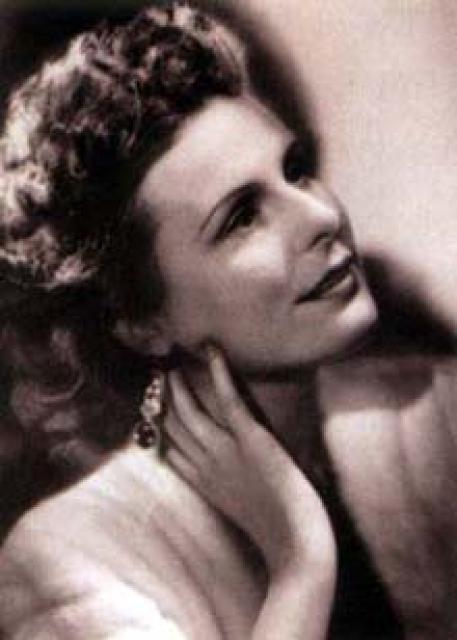
Riefenstahl's breakthrough came when she was commissioned by Adolf Hitler to make a documentary film about the Nazi party's Nuremberg Rally. The resulting film, "Triumph of the Will" (1935), became one of her most acclaimed works but also marked her association with the Nazi regime.
She continued her collaboration with the Nazis by directing another documentary, "Olympia" (1938), which captured the Berlin Olympic Games. Both films are considered technical masterpieces and have been praised for their innovative filming techniques. However, Riefenstahl's involvement with the fascist regime has cast a shadow over her career.
Post-War Life
After World War II, Riefenstahl faced criticism and condemnation for her association with the Nazis. She spent the rest of her life trying to distance herself from her past and justify her actions. In 1993, a documentary titled "The Power of Images: Leni Riefenstahl" was released, shedding light on her life and career.
Riefenstahl's later works focused on photography, particularly her portraits of the Nuba people in Sudan. These photographs were met with controversy, with some critics accusing her of promoting a fascist ideology through her celebration of the human body.
Throughout her life, Riefenstahl maintained that she was solely interested in the aesthetics of her work and denied any political intentions. However, her association with the Nazi regime continues to overshadow her artistic achievements.
Despite the controversy surrounding her career, Riefenstahl's films remain influential in the history of cinema. Her innovative techniques and visual storytelling have left a lasting impact on the medium.


