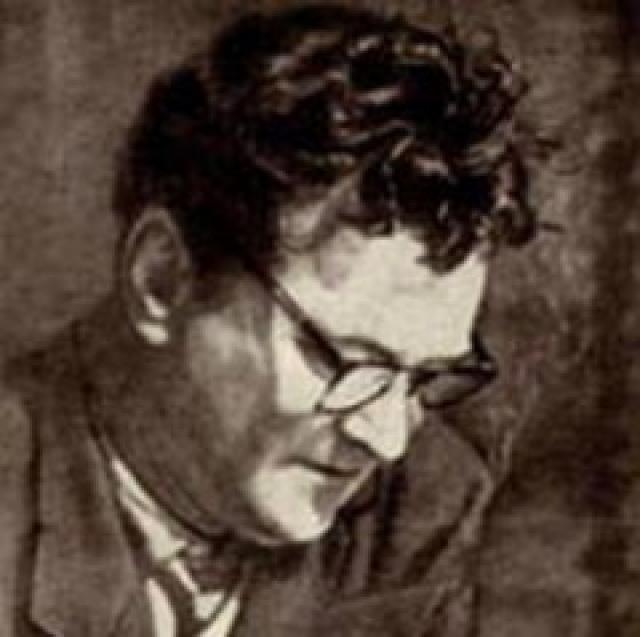
Leonid Solovyov
 USA
USA- Early Life and Influences
- Journalistic Career and Folklore Collecting
- Education and Literary Debut
- Prison Years and the "Hodja Nasreddin"
- Rediscovery and Literary Legacy
Early Life and Influences
Leonid Vasilyevich Solovyov, celebrated Russian and Soviet writer and screenwriter, was born on August 19, 1906, in Tripoli, Libya. His father worked as an inspector's assistant in northern Syrian schools for the Imperial Orthodox Palestine Society. In 1909, the family returned to Russia and later settled in Kokand in 1921. The impressions of Eastern life and culture that Solovyov experienced during this period deeply influenced his literary works.
Journalistic Career and Folklore Collecting
Solovyov's literary journey began in 1923 when he joined the editorial staff of the newspaper "Turkestan Truth" (later "Pravda Vostoka"). As a special correspondent for the newspaper, he traveled extensively throughout the Fergana region from 1924 to 1925, gathering and studying folkloric traditions. During this time, he compiled a collection of songs and tales about Vladimir Lenin, which was subsequently published in 1930. It has been suggested that Solovyov may have authored some of these folklore pieces, creating a literary-folklore hybrid.
Education and Literary Debut
In 1930, Solovyov moved to Moscow and enrolled in the literary and screenwriting faculty of the Institute of Cinematography, graduating in 1932. His literary works first began appearing in print at this time, with his collection of short stories and essays, "Big Exam" (1943), being published during the Great Patriotic War, where he served as a military correspondent for the newspaper "Red Fleet."
Prison Years and the "Hodja Nasreddin"
In September 1946, Solovyov was arrested on charges of plotting a terrorist act. He spent eight years in prison camps, during which time he penned "The Enchanted Prince," the second part of his acclaimed "Tale of Hodja Nasreddin," completed in 1950.
Rediscovery and Literary Legacy
Upon his release from prison in June 1954, Solovyov settled in Leningrad. In 1956, "The Tale of Hodja Nasreddin" was published by Lenizdat for the first time and became an instant success. Despite his work in screenwriting, including the acclaimed adaptation of Nikolai Gogol's "The Overcoat," Solovyov's name is primarily associated with the "Hodja Nasreddin" tale. He passed away on April 9, 1962, leaving behind a rich literary legacy tinged with the colorful hues of the East and the complexities of 20th-century Soviet history.