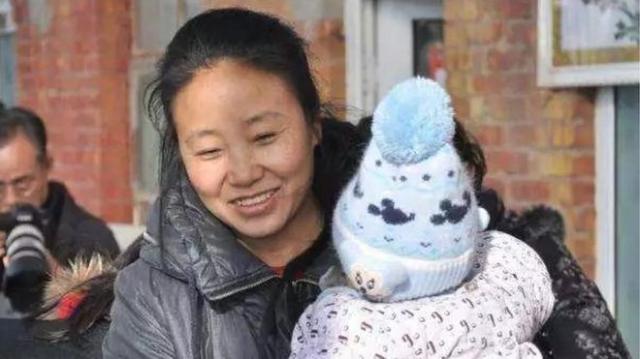
Li Yanxia
 China
Li Yanxia, also known as Li Lijuan, became a prominent and deeply controversial figure in China through a story that moved from public compassion to criminal court. She was celebrated in news reports as a philanthropist who had taken in scores of orphaned and disabled children. Years later, a court in Hebei province convicted her of several crimes connected with her welfare organization and local business disputes.
Early life and public profile
Public reporting about Yanxia’s early years is limited. She came to national attention through her work in Wu’an, a city in Hebei province, where she established the Minjian Welfare Love Village, commonly referred to in English as Love Village. She said that beginning in 1996 she had taken in 118 children, many of them abandoned, orphaned, or living with disabilities. The story made her a highly visible local benefactor, and the nickname “Love Mother” became closely associated with her public image.
In 2007, Love Village was formally established as a welfare organization. Yanxia said that she used her own resources and public donations to provide a home for children who needed care. Reports described a large community around the organization, and its work drew national media attention. At the height of its public profile, she was praised as an example of private charity addressing gaps in social support.
A changing public narrative
The public image around Love Village shifted as authorities and reporters examined its operations. In 2018, Wu’an officials deregistered the organization, citing its failure to complete required annual inspections. Police detained Yanxia amid allegations involving social order and extortion. Authorities moved children who were living at the facility to local health centers and schools while arrangements were made for their care.
The dispute drew attention to the difficult questions surrounding the children’s legal status, the organization’s finances, and the oversight of private welfare homes. Yanxia’s supporters had viewed her as a tireless caregiver; investigators and prosecutors described conduct they said crossed into criminal activity. The competing portrayals made the case a national news story and a source of debate about charity, accountability, and the protection of vulnerable children.
Trial and conviction
In July 2019, the Wu’an People’s Court sentenced Yanxia to 20 years in prison, five years’ deprivation of political rights, and a fine of 2.67 million yuan. The court convicted her of gathering people to disrupt social order, forging company seals, extortion, and fraud. Prosecutors and court reporting said that, among other conduct, she had obtained public subsistence funds through false information and used pressure tactics in a dispute connected with a construction project. The case also involved several co-defendants.
Some of the allegations had been reported while the investigation was underway; the 2019 sentence marked the court’s findings at trial. Chinese media later reported that an appeal did not overturn the verdict. The conviction sharply changed how the “Love Mother” story was remembered, while leaving broader questions about the institution’s oversight and the children’s circumstances in public view.
Legacy
Yanxia’s story stands at the intersection of charity and state oversight. Her work brought attention to children who needed stable care, and the scale she claimed for her undertaking made her a household name. The subsequent shutdown of Love Village and her conviction showed how quickly a public reputation built around benevolence could be remade by evidence presented in court.
Her case remains a striking reminder that personal generosity, institutional accountability, and children’s rights are not interchangeable. The children at the center of Love Village needed consistent protection and care, while the adults and authorities responsible for them faced questions about how that care was organized, funded, and supervised.