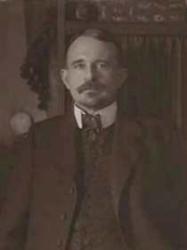
Lidia Winniczuk
 Poland
Lidia Winniczuk devoted her career to bringing the ancient world closer to modern readers. A classical philologist, historian, teacher, editor, and translator, she moved from scholarly work on Roman poetry to accessible books about everyday life in Greece and Rome. Her teaching and writing helped make classical culture a living part of Polish intellectual life through decades of upheaval and change.
Early Life and Education
Winniczuk was born in Podwołoczyska, then part of Austria-Hungary and now Pidvolochysk in Ukraine. Reference sources disagree about her birth year: many Polish library and university records give 1904, while some archival records and the biography supplied for this article list 1905. Her date of death, October 31, 1993, is consistently recorded.
She studied at the University of Warsaw, focusing on classical philology. Her doctoral dissertation, completed in 1927, examined the idea of the Roman state in Augustan poets. The subject brought together literature and political thought, two strands that remained visible throughout her academic life.
Teaching Through War
Winniczuk began her teaching career in secondary schools, including Warsaw’s Eliza Orzeszkowa girls’ gymnasium. She was known as an imaginative language teacher who sought lively ways to teach Latin and Greek. Her work in education became especially consequential during the Second World War, when German occupation authorities closed Polish universities and restricted education.
She took part in clandestine teaching, including courses at the Zan Gymnasium and Lyceum in Pruszków in 1944–45. The archive of her papers preserves materials from this underground work alongside lesson notes, manuscripts, translations, and correspondence. This part of her career places her among the educators who helped sustain Polish learning when formal institutions were under attack.
Scholar, Author, and Editor
After the war, Winniczuk returned to the University of Warsaw, where she taught and developed her academic career. She was appointed professor in 1963. Her scholarship covered Greek and Roman literature, social history, and the reception of classical antiquity in later periods.
She became widely known beyond specialist circles through books about the customs and daily lives of ancient Greeks and Romans. Works such as Ludzie, zwyczaje i obyczaje starożytnej Grecji i Rzymu (“People, Customs, and Traditions of Ancient Greece and Rome”) offered readers an accessible route into family life, beliefs, public customs, and ordinary experience in antiquity. Her books and collections of source texts made ancient writing available to Polish readers in translation and context.
Winniczuk also translated classical authors and helped organize collaborative translation projects with her students. She worked on anthologies including Kobiety świata antycznego (“Women of the Ancient World”) and Słowo jest cieniem czynu (“The Word Is the Shadow of the Deed”). Rather than placing herself at the center of the texts, she often acted as editor, guide, and teacher, helping readers encounter the original authors.
A major contribution to the field was her annual survey “Antiquity in Poland,” which she published for more than two decades in the journal Meander, sometimes together with students. This careful bibliographic record helped scholars follow research on the ancient world across Poland. She later became editor-in-chief of the journal, continuing to connect scholars, teachers, and readers.
Later Years and Legacy
Winniczuk was active in scholarly organizations, including the Polish Philological Society and committees devoted to classical culture. She continued writing, translating, and teaching into her later years. Her papers, now preserved in Polish archival collections, include research drafts, reviews, radio talks, teaching records, and personal correspondence.
Her career joined rigorous classical scholarship with a deep commitment to public education. She did not simply study the ancient world as a distant subject; she made its literature, institutions, and everyday life accessible to students and general readers. Through her teaching during wartime, her textbooks and translations, and her decades of editorial work, Lidia Winniczuk helped ensure that classical learning remained part of Poland’s cultural conversation.