Lodovico Agostini
 Italy
ItalyBiography of Lodovico Agostini
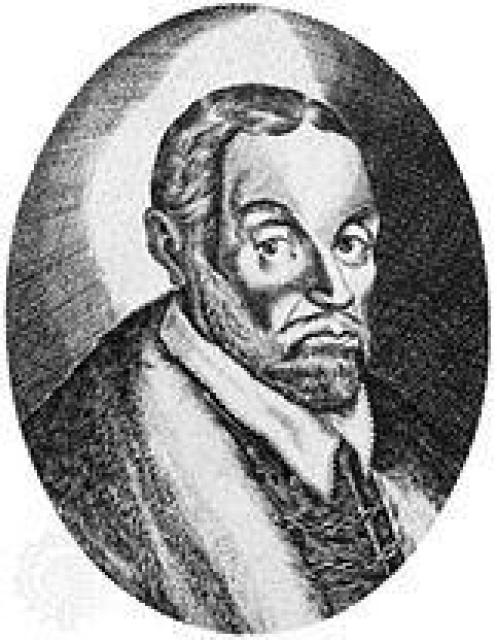
Lodovico Agostini was an Italian composer, singer, priest, and scholar of the late Renaissance period. Born in Ferrara in 1534, he spent most of his life in the city. Agostini was the illegitimate son of Agostino Agostini, a prominent Ferrarese priest and singer of the 1540s. Some sources suggest that he was Agostino's nephew. It is likely that Lodovico spent some time in Rome, studying music and theology, as evidenced by a madrigal he published there. After completing his studies, Agostini became a priest. In 1572, he sang in the cathedral chapel of Ferrara, and in 1578, he was in the service of Duke Alfonso II d'Este, the last direct heir of the Este dynasty. Alfonso II was known not only as one of the greatest patrons of music in the late 16th century but also for his extravagant lifestyle, which significantly affected the prosperity of the city. Despite this, Lodovico remained in the duke's service until the end of his life. In the 1580s, Agostini taught the art of composition to Duke Guglielmo Gonzaga of Mantua, to whom he dedicated a collection of madrigals. Gonzaga himself later became a talented composer and madrigalist and maintained close connections with the renowned Italian composer Giovanni Pierluigi da Palestrina, one of the leading polyphonists of the time.
Relationships and Career
Agostini enjoyed good relationships with many members of the Italian aristocracy and was friends with renowned poets such as Torquato Tasso and Battista Guarini. He also had connections with other court musicians, including the famous madrigalist of Ferrara, Luzzasco Luzzaschi. Although he was well-received at the secular court of the Este dukes, Lodovico also achieved a brilliant ecclesiastical career, becoming an apostolic protonotary and receiving the right to be called "Monsignor." In the late 16th century, Ferrara was one of the most musically advanced and refined cities in Europe. Under the patronage of Alfonso II, the court became a cradle of musical experimentation, with a group of virtuosic female singers (concerto di donne) whose voices were at the disposal of equally virtuosic composers. Carlo Gesualdo also joined this circle. They composed music for the entertainment of a small group of connoisseurs and scholars, including the duke himself. In these unique circumstances, an innovative musical style flourished, and Agostini was one of the most daring experimenters in this hothouse environment. Agostini enjoyed musical enigmas, puzzles, surprises, and ambiguities, as evidenced by his prolific output. Part of his madrigal collections was written in a highly complex style specifically for three famous Ferrarese singers: Laura Peverara, Anna Guarini, and Livia d'Arco.
Legacy
His third book of madrigals for six voices, published in 1582, is considered the earliest collection of this ensemble's repertoire. As many of the singers at the Ferrarese court were also talented musicians (for example, Livia d'Arco was renowned as a virtuoso viola player), Agostini often wrote music for the lute and viola as accompaniment to vocal solos. No sacred compositions by Agostini have survived, suggesting that he may not have written any. Agostini died on September 20, 1590, and in 1598, his patron Alfonso II passed away without leaving any heirs, putting an end to any musical experimentation in Ferrara. The city later became part of the Papal States, marking the end of an era.