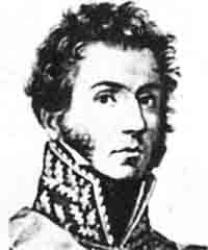
Ludvig Beck
 Germany
- Ludwig Beck: A German General and Anti-Nazi
- Interwar Years
- Opposition to Hitler
- Resignation and Opposition
- July Plot and Death
Ludwig Beck: A German General and Anti-Nazi
Early Life and Military CareerLudwig Beck was born on June 29, 1880, in Biebrich, Germany, into a wealthy industrialist family. He joined the military in 1898 and served with distinction during World War I, rising to the rank of General Staff officer and Chief of Staff of an army.
Interwar Years
After the war, Beck continued his service in the Reichswehr, Germany's postwar armed forces. In 1930, he defended two officers, Ludewig and Scheringer, who were accused of Nazi propaganda.
From 1933 to 1935, Beck headed the Wehrmacht's Troop Office, which was essentially its General Staff. In 1935, the Troop Office was renamed the Army General Staff, and Beck remained its Chief. He was responsible for planning and executing the German army's ground operations.
Opposition to Hitler
Beck believed that professional soldiers should retain control of the Wehrmacht and opposed Adolf Hitler's consolidation of power as supreme commander. He attended the Hossbach Conference in 1937, where Hitler announced his plans for the Anschluss with Austria.
In November 1937, Beck met with Konstantin von Neurath and Werner von Fritsch to discuss ways to "convince Hitler to abandon his ideas." In May 1938, he objected to Hitler's planned invasion of Czechoslovakia, arguing that the German army was not prepared for major military operations.
Resignation and Opposition
As a result of his opposition, Beck was dismissed from his post on August 18, 1938. Anti-Nazi forces considered him a potential head of state if Hitler were removed. A group of officers loyal to Beck formed and repeatedly discussed plans for a coup d'état.
July Plot and Death
Beck played a role in the July Plot of 1944, an assassination attempt on Hitler. He was arrested by General Friedrich Fromm after the plot failed and committed suicide in the War Ministry building on Bendlerstraße.