Ludwig Devrient
 Germany
- The Life and Legacy of Ludwig Devrient
- Early Years and Artistic Awakening
- Breakthrough Roles and Provincial Success
- Triumph in Breslau and Berlin
- A Master of the Romantic Style
- Intuitive Genius and Psychological Insight
- Legacy and Influence
The Life and Legacy of Ludwig Devrient
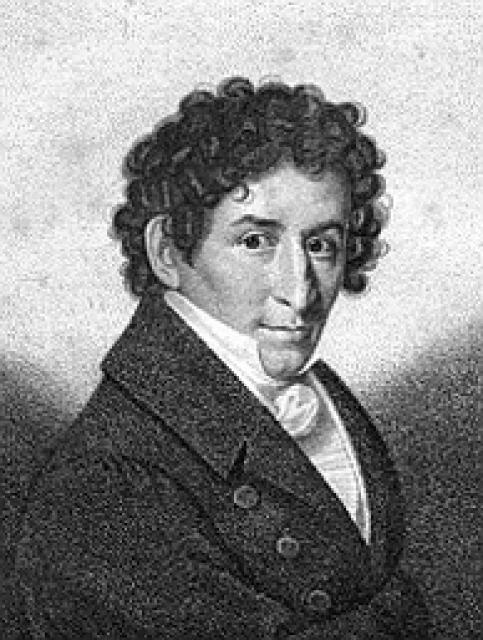
A Romantic Icon in German TheaterLudwig Devrient (1784-1832) was a towering figure in the German romantic theater movement. As the patriarch of the Devrient theatrical dynasty, he left an indelible mark on the stage and influenced generations of actors to come.
Early Years and Artistic Awakening
Born into a wealthy merchant family, Devrient initially pursued a career in the military, but soon abandoned it in favor of acting. Immersed in the artistic circles surrounding his brother in Leipzig, he discovered his passion for the stage.
Breakthrough Roles and Provincial Success
Devrient's early roles in provincial theaters met with limited success. However, his portrayal of Franz Moor in Schiller's "The Robbers" (1805) proved to be a turning point. This performance, along with his interpretations of Wurm in Schiller's "Intrigue and Love" and Harpagon in Molière's "The Miser," cemented his reputation as a rising star.
Triumph in Breslau and Berlin
Devrient's career reached its zenith during his tenure at the Breslau Theater (1809-1815). Here, he excelled in both tragic (King Lear, Shylock, Iago) and comedic (Falstaff) roles. After relocating to Berlin, he continued to perform at the capital's prestigious theater until his untimely death.
A Master of the Romantic Style
Critics hailed Devrient as one of the greatest romantic actors alongside Edmund Kean, Pavel Mochalov, and Frederick Lemaître. He possessed an uncanny ability to "strike, capture, and transport" audiences with the "spontaneity of his passion, his overwhelming impulse in particular situations, and the irresistible force of his imposing character."
Intuitive Genius and Psychological Insight
Devrient's performances were characterized by a profound intuitive understanding of his characters. According to E.T.A. Hoffmann, he possessed a "sixth sense" that allowed him to fully immerse himself in the roles he portrayed. His close friendship with Hoffmann, similar to Kean's connection with Byron and Lemaître's with Balzac, enriched his artistic development.
Legacy and Influence
Devrient's romantic sensibility and mastery of comic roles played a pivotal role in bridging the gap between the romanticism of his era and the rise of realism in the mid-19th century. His influence on the German theater landscape remains profound, inspiring generations of actors to embrace the power of emotion, psychological exploration, and technical virtuosity.