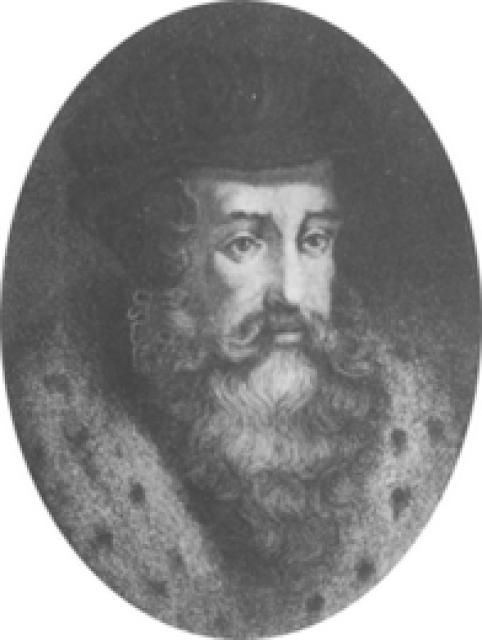
Luigi Alamanni
 Italy
Italy- Luigi Alamanni: Italian Renaissance Poet and Scholar
- Political Involvement and Exile
- Return to Florence and Diplomatic Career
- Literary Works
- Dramatic Writing
- Legacy
Luigi Alamanni: Italian Renaissance Poet and Scholar
Early Life and EducationBorn into an aristocratic Florentine family in the 16th century, Luigi Alamanni received an education that encompassed literature, philosophy, and poetry. He formed friendships with notable intellectuals of the time, including Niccolò Machiavelli, who dedicated his work "The Life of Castruccio Castracani of Lucca" to Alamanni.
Political Involvement and Exile
Alamanni actively participated in Florentine politics. In 1552, he became involved in a conspiracy against Cardinal Giuliano de' Medici, the ruling prince of Florence. When the plot was discovered, Alamanni fled to France, where he entered the service of King Francis I.
Return to Florence and Diplomatic Career
After the expulsion of the Medici from Florence in 1527, Alamanni returned to his homeland. He played a role in the re-establishment of the republic but was forced to leave again in 1530 after the republic's collapse. He later served as an ambassador in Venice and, from 1544, as the major-domo to Catherine de' Medici, the future queen of France.
Literary Works
Alamanni's literary contributions were significant. His didactic poem "La Coltivazione" (On Agriculture) imitated Virgil's "Georgics" and became one of the finest Italian examples of the genre. He also wrote epic poems like "Girone il Cortese" and "L'Avarchide" and composed numerous sonnets and other poems that were published in "Opere toscane" (Tuscan Works).
Dramatic Writing
Alamanni's talent extended to the stage. His comedy "Flora" was performed successfully at the court of Henry II of France in Fontainebleau in 1555. He also wrote a tragedy, "Antigone," adapted from Sophocles, and a novella, "Bianca, Daughter of the Count of Toulouse," considered one of the finest examples of Renaissance prose.
Legacy
Luigi Alamanni was a versatile and accomplished Renaissance figure whose works continue to resonate with readers today. His contributions to literature, politics, and culture make him an important figure in the history of the Italian Renaissance.