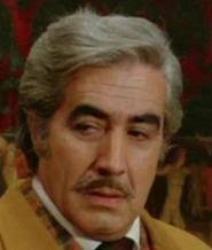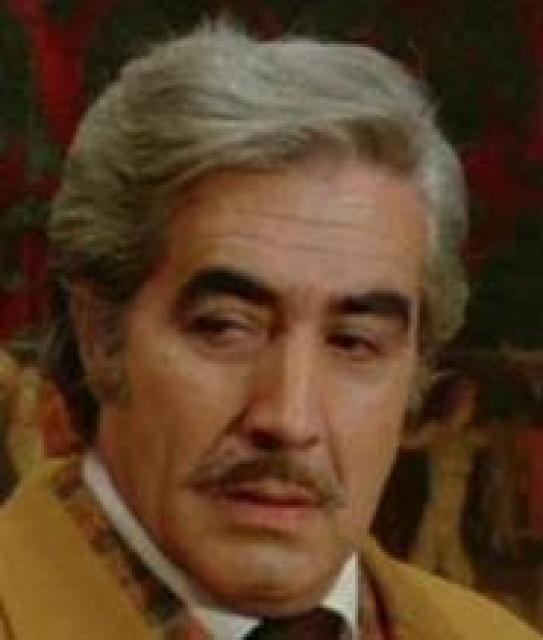
Luigi Batzella
 Italy
Luigi Batzella was a Sardinian filmmaker who moved through the fast-changing world of Italian popular cinema as an actor, editor, screenwriter and director. Across several decades, he worked in westerns, spy pictures, horror and wartime exploitation films, often under an alternate name. His filmography is a snapshot of an industry where small productions moved quickly between genres and filmmakers wore many hats.
From Sardinia to the screen
Batzella was born on 27 May 1924 in San Sperate, a town near Cagliari in Sardinia. He began in front of the camera, appearing in Italian productions from the early 1950s. Among his early screen credits were adventure and western films, including *Non è mai troppo tardi* and *The Labors of Hercules*. He also worked behind the scenes as an editor and assistant director, gaining practical experience in the collaborative and often tightly scheduled production environment of Italian genre cinema.
By 1966, Batzella had stepped behind the camera as a director with *Tre franchi di pietà*. He continued to work across forms rather than settle into one specialty. His credits include the spy thriller *Agguato sul Bosforo*, the western *Anche per Django le carogne hanno un prezzo*—released internationally as *Django’s Cut Price Corpses*—and *Quando suona la campana*, a war drama also known as *When the Bell Tolls*. His work as writer and editor often overlapped with directing, reflecting the practical, multi-role nature of low-budget filmmaking.
A restless genre director
In the 1970s, Batzella turned increasingly to horror and sensational subjects. *Il plenilunio delle vergini*, known in English as *The Devil’s Wedding Night*, and *Nuda per Satana* (*Nude for Satan*) brought gothic settings and erotic horror into his repertoire. These films were produced within Italy’s crowded commercial cinema, where genre pictures competed for audiences through striking premises, atmosphere and provocative marketing.
His name is also linked to two wartime exploitation movies: *Kaput Lager – Gli ultimi giorni delle SS* and *La bestia in calore* (*The Beast in Heat*). Italian production records credit Batzella with the latter’s direction, screenplay and editing under the name Ivan Kathansky. The film’s deliberately shocking subject matter has made it one of the more notorious titles associated with the exploitation cycle. Its reputation speaks to the era’s appetite for transgressive cinema, as well as to the way such movies pushed boundaries for shock value.
Names and screen credits
Batzella’s credits appeared under several names, including Paolo Solvay, Paul Hamus, Dean Jones and Ivan Kathansky. Alternate names were common in Italian genre films, especially when productions were marketed internationally or filmmakers wanted credits to fit the style of a particular release. The shifting bylines can make the filmography challenging to trace, but archival records connect many of these credits back to Batzella.
The Italian Cinema Archive lists his work across a substantial run of productions, from the 1960s into the late 1970s. Titles such as *La Colt era il suo Dio* (*God Is My Colt .45*), *La polizia ordina: sparate a vista* and *Strategia per una missione di morte* show how he moved between western, crime and action material. His output belonged to a durable tradition of economical Italian filmmaking, where a director could move from one commercial genre to another while building a distinctive body of work.
Later years and legacy
After spending much of his career in the film industry, Batzella returned to his native San Sperate. He died there on 18 November 2008, aged 84. He is remembered today chiefly by fans of Italian cult and exploitation cinema, for whom his films capture the irreverent, sometimes unruly energy of the country’s low-budget genre scene. Batzella’s career was not built around prestige productions; its appeal lies in the sheer variety of stories he helped bring to the screen.