Lyudmila Stal
- Early Life and Revolutionary Roots
- Activism and Imprisonment
- Exile and Internationalism
- Return to Russia and Revolutionary Leadership
- Post-Revolution and Women's Empowerment
- Later Career and Legacy
Early Life and Revolutionary Roots
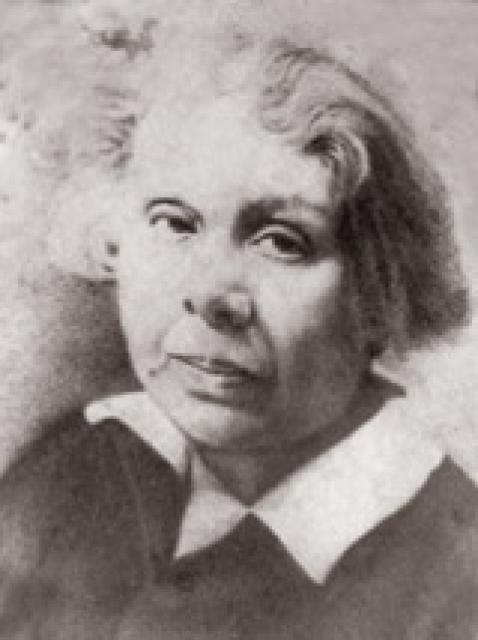
In the heart of industrial Russia, Inessa Armand was born into the family of a prosperous factory owner. From a young age, she developed a keen awareness of social inequality and injustice. Inspired by revolutionary ideals, she joined the movement in 1890.
Activism and Imprisonment
In 1897, Armand became a member of the Bolshevik faction within the Russian Social Democratic Labor Party (RSDLP). She actively participated in party work in cities across the country, organizing workers and spreading revolutionary propaganda. Her relentless efforts led to numerous arrests and periods of imprisonment.
Exile and Internationalism
After the 1905 Revolution, Armand was forced to flee into exile. In Paris, she joined the Bolshevik section of the French Socialist Party. She also contributed to the Bolshevik newspaper "Pravda" and the magazine "Rabotnitsa," advocating for women's rights and the emancipation of the working class.
Return to Russia and Revolutionary Leadership
In the wake of the February Revolution in 1917, Armand returned to Russia and played a vital role in the Petrograd Soviet. She participated in the April Conference of the RSDLP(b) and served as a member of the Kronstadt Committee. Armand's unwavering determination and leadership skills made her an influential figure in the Bolshevik movement.
Post-Revolution and Women's Empowerment
After the October Revolution, Armand held leadership positions in the Red Army and the Bolshevik Party's Caucasian Bureau. She was instrumental in establishing the International Women's Secretariat and the Women's Department of the Russian Communist Party. Armand dedicated herself to advancing women's rights and empowering working-class women.
Later Career and Legacy
In her later years, Armand transitioned to a career in research at the Museum of Revolution. She also served as editor of the journal "Kommunistka." Her contributions to the revolutionary movement, women's rights, and internationalism left an enduring mark on Russian and global history. Armand passed away in 1939 and is buried in the prestigious Novodevichy Cemetery in Moscow. Her legacy continues to inspire generations of women and activists.