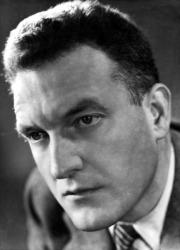
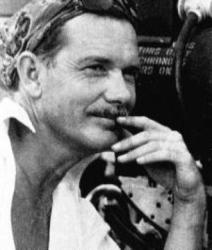
Mack Sennett
 USA
USA- The Birth of American Slapstick: Mack Sennett, the Father of Comedy
- Early Life and Theatrical Pursuits
- The Arrival at Biograph Studios
- The Keystone Era
- The Keystone System and the Art of Physical Comedy
- Transition to Feature-Length Films
- The Later Years and Legacy
- Mack Sennett, the "Abraham Lincoln of Comedy"
The Birth of American Slapstick: Mack Sennett, the Father of Comedy
Mack Sennett, an American director, actor, and producer, emerged as the pioneer of the comedy genre in early American cinema. From 1912 to 1920, he masterminded countless one-reel comedic shorts that shaped the landscape of film entertainment.
Early Life and Theatrical Pursuits
Born as Michael Sinnott on January 17, 1880, in Dansville, Canada, Sennett embarked on a career in opera before settling into acting. Moving to New York City, he adopted the stage name Mack Sennett and joined various vaudeville and burlesque troupes. Despite mediocre success, his persistence led him to pursue a future in filmmaking.
The Arrival at Biograph Studios
In October 1908, Sennett signed a contract with the Biograph Studios. He initially performed various tasks, assisting with sets, running errands, and suggesting plot ideas. His early influence on D.W. Griffith's films, such as "The Lonely Villa," eventually led to his debut as a director in 1910.
The Keystone Era
In July 1912, Sennett left Biograph to establish the Keystone Film Company. He assembled a talented troupe, including Mabel Normand, Roscoe "Fatty" Arbuckle, and Charlie Chaplin. Keystone's innovative approach to comedy emphasized physical gags, slapstick antics, and hilarious misunderstandings. Their influential series, "The Keystone Cops," became a global phenomenon.
The Keystone System and the Art of Physical Comedy
Sennett's groundbreaking techniques included the use of "gags," short comedic bits inserted into the narrative. He established a "laugh bureau" to collect jokes and humorous anecdotes, which served as inspiration for his films. By prioritizing action over dialogue, Sennett created a visual comedy that transcended language barriers.
Transition to Feature-Length Films
In 1914, Sennett released his first six-part comic feature film, "Tillie's Punctured Romance." His subsequent feature-length films, including "Mickey" (1916), "Molly O." (1921), and "Suzanne" (1923), showcased his evolving directorial style and a more sophisticated approach to storytelling.
The Later Years and Legacy
Sennett worked briefly for Associated Producers and Pathé in the early 1920s, continuing his pursuit of cinematic laughter. Financial setbacks and the Great Depression, however, dimmed his star. Despite his diminished influence, Sennett remained a revered figure in the industry. He was known for his philanthropic spirit, hosting annual reunions for his Keystone family.
Mack Sennett, the "Abraham Lincoln of Comedy"
Biographer Jean Fowler hailed Sennett as the "Abraham Lincoln of comedy." His ability to capture the public's sense of humor with such unwavering accuracy earned him the title "King of Comedy." Sennett's contributions to American cinema continue to be celebrated as the foundation of slapstick comedy and the inspiration for countless subsequent generations of filmmakers.