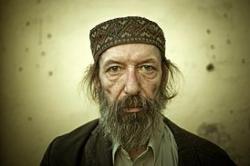
Malcolm Young
 Australia
- Malcolm Mitchell Young: The Rhythmic Force of AC/DC
- The Velvet Underground and Kentuckee
- The Formation of AC/DC
- The Loss of Bon Scott and the Rise of AC/DC
- Personal Life and Absence from the Band
- Illness and Death
- Legacy and Influence
Malcolm Mitchell Young: The Rhythmic Force of AC/DC
Early Life and InfluencesMalcolm Mitchell Young was born into a large family in Glasgow, Scotland, on January 6, 1953. His parents, William and Margaret, emigrated to Sydney, Australia, in 1963 with their children George, Margaret, Malcolm, and Angus, leaving behind their eldest son Alex in the UK. The family settled in Burwood, a suburb of Sydney.
Malcolm's older brother, George, was a successful musician in the rock band The Easybeats, whose hit song "Friday On My Mind" topped the Australian charts. Malcolm was also a talented soccer player and aspired to a career in sports.
The Velvet Underground and Kentuckee
Before forming AC/DC, Malcolm played in the Newcastle, New South Wales-based band The Velvet Underground (not to be confused with the New York band of the same name), which performed covers of songs by T. Rex and The Rolling Stones. His younger brother, Angus, played in another band called Kentuckee.
The Formation of AC/DC
In November 1973, Malcolm and Angus founded AC/DC. Their first national tour took place in 1974 with vocalist Dave Evans, who was replaced by Bon Scott later that year. In 1976, AC/DC relocated to the UK, launching an extensive international touring schedule that put a heavy strain on their work ethic.
The Loss of Bon Scott and the Rise of AC/DC
The year 1980 brought a tragic turn for the band with the death of Bon Scott during the recording of their new material. Despite this devastating loss, the band refused to disband and, with Brian Johnson replacing Scott on vocals, they released their breakthrough album, "Back in Black." This album became a commercial juggernaut, catapulting AC/DC to global stardom and placing them alongside legendary acts like Led Zeppelin and Black Sabbath.
Personal Life and Absence from the Band
Malcolm married Linda early in his career, with whom he had a daughter named Cara (born during the recording of "Back In Black") and a son named Ross (born in 1982). He spent most of his life in the UK, returning to Australia each Christmas to his home called "Oncaparinga" in the Sydney suburb of East Balmain. Malcolm Young was included in the "Who's Who in Australia" publication from 2004-2005.
In 1988, Malcolm missed a tour due to alcohol problems, which were initially hidden from the public under the pretense of his son's illness. He eventually overcame his addiction and returned to the band. During his absence, his nephew Stevie filled in as a temporary replacement for Malcolm, and due to their close resemblance and age difference of only three years, many fans were unaware of the change.
Illness and Death
Malcolm Young last performed with AC/DC during their "Black Ice" tour in Bilbao in 2010. In April 2014, he officially retired from the band due to health issues. In September 2014, it was confirmed by Malcolm's family that he was suffering from dementia, a brain condition that affects memory and thinking skills.
In a statement released in 2014, AC/DC announced that "due to Malcolm's condition, he is unable to continue as a full-time member of AC/DC, and will not be touring or recording with the band in the foreseeable future." Stevie Young also replaced Malcolm in AC/DC's 2015 tour.
On November 18, 2017, Malcolm passed away surrounded by his family after a long illness, only one month after the death of his older brother George. His funeral was held in private, with the family declining a request by fans to livestream the service.
Legacy and Influence
Malcolm Young was renowned for his distinctive "rock and roll" rhythm guitar playing in the 1960s and 1970s. He was honored with a tribute song and album, "Forever Malcolm Young," by the Australian punk rock band Frenzal Rhomb. Guitar Player magazine attributed Malcolm's signature technique to his use of open chords through a set of small amplifiers with low overdrive. In 2009, Classic Rock magazine ranked Malcolm (alongside his brother Angus) among the greatest guitarists of all time.