Mariotto Albertinelli
 Italy
ItalyBiography of Mariotto Albertinelli
Mariotto Albertinelli, a Florentine painter, was born to Biagio di Bindo Albertinelli. He could be called the second Fra Bartolomeo, his closest and dearest friend with whom he constantly conversed and worked. They were not only always together, but their styles were also similar during the time when Mariotto was actively involved in art.
Early Years and Training
At the age of twenty, Mariotto abandoned his career as a goldsmith and began studying painting in the workshop of Cosimo Rosselli. It was there that he developed a close friendship with Bacchiacca. When Bacchiacca left Cosimo's workshop to pursue his own art, Mariotto went with him. They lived together for a long time at the Porta San Piero Gattolini while collaborating on many projects. Although Mariotto was not as skilled in drawing as Bacchiacca, he turned to studying the ancient statues in Florence, most of which were housed in the Medici household. He copied many of the small relief plaques in the garden loggia of San Lorenzo and further studied the male and female torsos that were of great interest to many sculptors and painters of that time.
Artistic Career
Mariotto made significant progress in drawing through the study of these antiques. He then entered the service of Madonna Alfonsina, the mother of Duke Lorenzo, who provided him with all the necessary support to improve his skills. Mariotto's paintings for her, including ones commissioned by the Orsini family in Rome, gained him recognition. He painted a portrait of Madonna Alfonsina from life and believed he had found his happiness in her proximity.
However, when Piero de' Medici was exiled in 1494, Mariotto lost his patronage and support. He returned to Bacchiacca's workshop with even more dedication. He focused on creating clay models and studying nature while imitating Bacchiacca's style. In a few years, Mariotto became a diligent and experienced artist. In fact, his works were often mistaken for Bacchiacca's, and many thought they were painted by the same hand.
Later Years and Legacy
When Bacchiacca decided to become a monk, Mariotto was devastated and felt lost without his companion. However, he continued his work and completed Bacchiacca's unfinished "Last Judgment" for the Florentine Chapter of Certosa. Mariotto's dedication and love for his craft earned him great recognition and authority in his art.
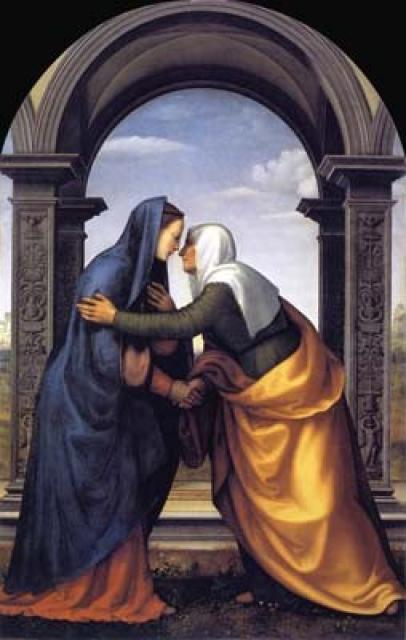
Mariotto also painted religious scenes for various churches and altarpieces for private clients in Florence. He was known for his attention to detail and skillful use of color. His artistry extended beyond painting, as he also created intricate drawings and pen sketches.
In his later years, Mariotto opened a successful tavern and inn, but ultimately returned to painting. He completed works in Rome before his health began to decline. He passed away in Florence at the age of forty-five and was buried in the Church of San Pier Maggiore.
Mariotto Albertinelli had many students, including Giuliano Bugiardini, Franciabigio, and Innocenzo di Imola. His talent and contributions to the art world were highly regarded during his lifetime and continued to be appreciated long after his death.