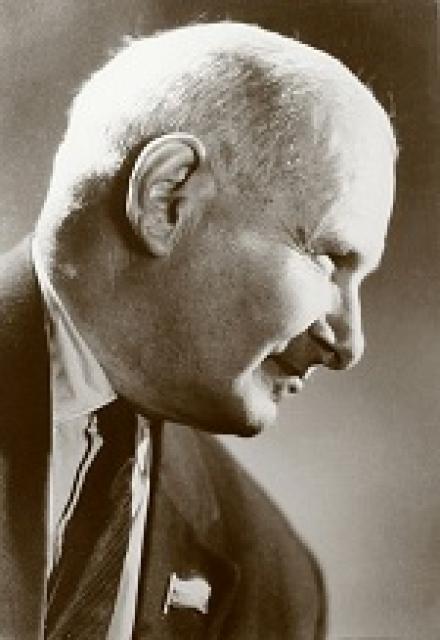
Mark Grigoryan
- Mark Grigoryan: A Renowned Soviet Architect
- Move to Armenia and Architectural Career
- Party Membership and Architectural Achievements
- Leadership and Later Projects
- Iconic Creations in Yerevan
- Artistic Legacy and Recognition
Mark Grigoryan: A Renowned Soviet Architect
Early Life and EducationMark Grigoryan was born in Rostov-on-Don in 1900. Despite his academic abilities, he faced repeated expulsions from three different universities due to his social background. Concurrently, he attended the Vrubel Art School from 1920 to 1922.
Move to Armenia and Architectural Career
In 1924, Grigoryan relocated to Armenia and enrolled in the architecture program at Yerevan University. He graduated in 1928 and began his distinguished architectural career. From 1939 to 1951, he served as the Chief Architect of Yerevan.
Party Membership and Architectural Achievements
In 1945, Grigoryan joined the Communist Party. His architectural accomplishments include the design of the Communist Party of Armenia headquarters building (1949). This project earned him a Stalin Prize in 1951.
Leadership and Later Projects
Grigoryan continued to lead the architectural community in Armenia, working as Deputy Head of the Architecture Department from 1951 to 1955. From 1955 until his passing, he directed the republican design institute, "Armrpromproekt."
Iconic Creations in Yerevan
Grigoryan's architectural legacy in Yerevan includes numerous administrative buildings, residential structures, and museums. Among his most celebrated works is the Matenadaran, a repository for ancient manuscripts completed in 1959.
Artistic Legacy and Recognition
Mark Grigoryan's work has left an indelible mark on the cityscape of Yerevan. He received the Honored Architect of the Armenian SSR title in 1969 and the State Prize of the Armenian SSR in 1971 for his contributions to the Lenin Square ensemble. Grigoryan's legacy extends beyond his architectural creations, as his grandchildren, Mark Grigoryan and Levon Hakobian, have achieved prominence in their respective fields.


