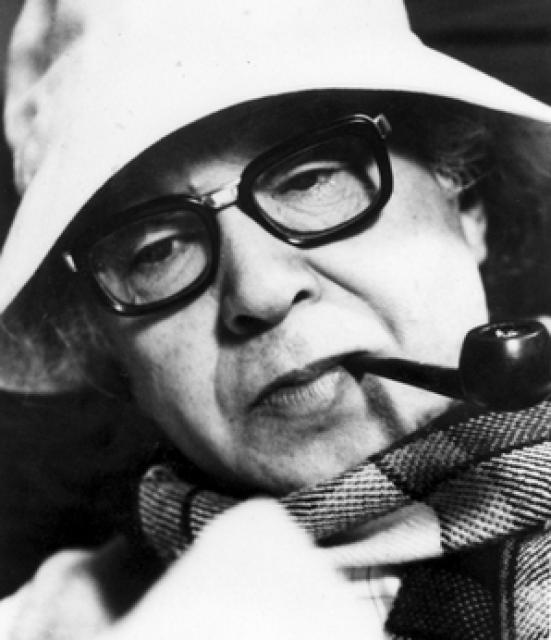
Masaki Kobayashi
 Japan
Japan- Early Life and Education
- Military Service and Resistance
- Post-War Career
- Founding Shin-ei Pro
- War and Social Commentary
- International Recognition
- Television and Documentaries
- Later Years and Legacy
Early Life and Education
Masaki Kobayashi, the renowned Japanese filmmaker, was born on February 14, 1916, in Hokkaido. In his youth, he pursued a degree in philosophy at Waseda University. During this time, Kobayashi developed a keen interest in Asian and Greek art.
Military Service and Resistance
In January 1942, Kobayashi was conscripted into the Imperial Japanese Army and served in Manchuria. Despite the opportunity for promotions, he steadfastly refused, citing his opposition to the war. As a result, he remained a private throughout his service, a testament to his unwavering principles.
Post-War Career
Upon his return from military service in November 1946, Kobayashi resumed his employment at Shochiku Studios. In 1947, he became an assistant director under Keisuke Kinoshita, who greatly influenced Kobayashi's cinematic vision. He also ventured into screenwriting.
Founding Shin-ei Pro
Together with writer Kobo Abe, Kobayashi established Shin-ei Pro, his own production company. His directorial debut, "The Youth of the Son," marked the beginning of an iconic cinematic journey.
War and Social Commentary
Kobayashi's films consistently explored themes of war and the complexities of Japanese society. "Black River" tackled corruption in American military bases, while "The Human Condition" presented a harrowing depiction of the dehumanizing effects of war.
International Recognition
Kobayashi's films earned international acclaim. "Harakiri" received the Special Jury Prize at the Cannes Film Festival in 1962. His sole venture into horror, "Kwaidan," won the same award in 1965.
Television and Documentaries
Kobayashi's contributions extended beyond filmmaking. He directed the television series "Fossil," which later received a theatrical release. In 1983, he produced the documentary "The Tokyo Trial," providing a historical record of the Tokyo War Crimes Tribunal.
Later Years and Legacy
Kobayashi's final film, "House Without Food," delved into the topic of terrorism. Masaki Kobayashi passed away in 1996, leaving behind a profound legacy as one of Japan's most influential filmmakers. His works continue to inspire and challenge audiences worldwide.


