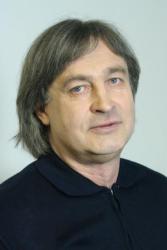
Medet Chotabaev
 Kazakhstan
Biography of Medet Chotabaev
Medet Chotabaev, a Kazakh tenor, was born on October 30, 1981, in Semey, Kazakhstan. He completed his vocal studies at the M. Tulebayev Music College in 2003. From 2006 to 2008, Chotabaev furthered his education at the Renata Tebaldi and Mario del Monaco Academy in Pesaro, Italy.
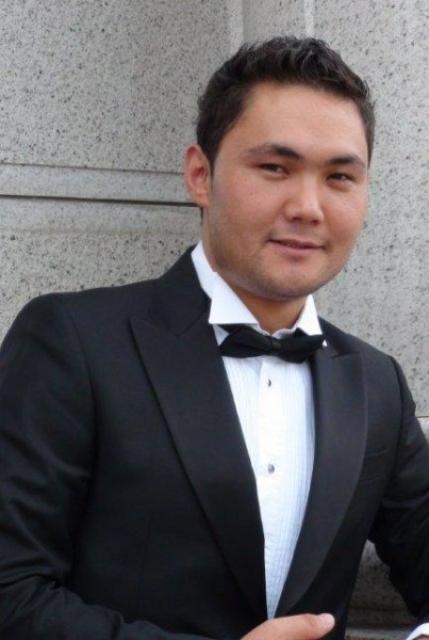
Currently, he serves as a soloist at the Kazakh State Academic Opera and Ballet Theater named after Abay. Chotabaev has received numerous awards and recognition throughout his career. In 2003, he won the second prize at the IV Republican Competition of Young Performers in Kazakhstan. In 2005, he was awarded the Grand Prix at the regional competition commemorating the 160th anniversary of the great Abay.
In 2006, Chotabaev won the Grand Prix in the solo singing category at the 9th International Shabyt Festival. The following year, he received the first prize at the International Vocalists Competition named after B. Tolegenova. In 2008, Chotabaev became a diploma holder at the International Competition named after Beniamino Gigli in Porto Recanati, Italy.
In 2009, he achieved the Grand Prix at the International Competition "Art of the XX Century" in Finland. The same year, Chotabaev won the first prize and a special award for best tenor at the 23rd International Glinka Vocalists Competition. His talent also took him to the international stage, where he participated in the First International Opera Competition "Best Voices of the Future" in Paris, France, and the Operaalia competition in 2011.
In addition to his competition success, Chotabaev has represented Kazakhstan in cultural events in Tokyo, Japan, and Abu Dhabi, UAE. He has also performed in numerous concerts across Kazakhstan. Some of his notable opera roles include the Duke in Verdi's "Rigoletto," Nemorino in Donizetti's "The Elixir of Love," Rodolfo in Puccini's "La Boheme," Pinkerton in Puccini's "Madama Butterfly," Cavaradossi in Puccini's "Tosca," and Lensky in Tchaikovsky's "Eugene Onegin."