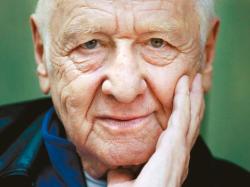
Meir Shalev
 Israel
- Meir Shalev: An Israeli Literary Icon
- Loneliness and Identity
- Sensuality and Erotica
- Gender and Sexuality
- Biblical and Literary Influences
- International Acclaim
- Love for Russian Literature
- Hobbies and Passions
- Depictions of Labor
- Pain and Suffering
- Jerusalem: A Love-Hate Relationship
Meir Shalev: An Israeli Literary Icon
Israeli writer Meir Shalev has garnered acclaim for his poignant works that delve into themes of politics, eroticism, homosexuality, and Russian literature. His unique perspective and thought-provoking prose have earned him a loyal following worldwide.
Loneliness and Identity
A recurring motif in Shalev's novels is the portrayal of solitary male characters: orphans, widowers, or individuals who have experienced heartbreak or exile. When asked about the inspiration behind this choice, he explains that it stems not from personal experiences but rather from a desire to explore the emotions and experiences of those unlike himself.
Sensuality and Erotica
Shalev's works are often characterized by an exploration of sensuality. He rejects the label of "erotica," preferring to refer to his writing as "sensuous." He values the experience of the senses—taste, smell, touch, and color—and shares them with his readers in a vivid and evocative manner.
Gender and Sexuality
Shalev's novels also address issues of gender and sexuality. He challenges traditional notions of homosexuality and sees it as a natural variation of consensual adult relationships, not a perversion. He expresses concern about attempts to suppress or ban works that explore these themes, arguing that they are an essential part of life and should not be censored.
Biblical and Literary Influences
Shalev's writing is deeply influenced by the Bible, particularly the Old Testament. However, he does not interpret biblical stories literally but rather draws inspiration from their characters and themes. His novels also contain references to other literary classics, such as Dostoevsky's "Crime and Punishment" and Gogol's works.
International Acclaim
Shalev's novels have been widely translated and are particularly popular in Germany, the Netherlands, Russia, Italy, and the United States. He commends the high quality of Russian translations and expresses his appreciation for the work of his Russian translators.
Love for Russian Literature
Shalev professes a deep admiration for Russian literature, particularly the works of Gogol, Nabokov, and Bulgakov. He also praises contemporary Russian novelists such as Lyudmila Ulitskaya but notes that few modern Russian writers are translated into Hebrew.
Hobbies and Passions
Beyond his literary pursuits, Shalev enjoys a variety of hobbies. He used to ride motorcycles until his age and health prevented him from continuing. He is also an avid collector of wild plants, which he cultivates in his own garden.
Depictions of Labor
Shalev's novels often feature detailed descriptions of physical labor, such as farming, baking, and carpentry. He credits his childhood experiences on his uncles' farm for these insights. His depictions are not merely technical but convey a deep understanding of the skills and challenges involved.
Pain and Suffering
Despite his love for life, Shalev does not shy away from depicting pain and suffering in his works. He believes that these are inherent aspects of human existence and should not be ignored.
Jerusalem: A Love-Hate Relationship
Jerusalem is a recurring setting in Shalev's novels, but he often portrays it as a harsh and unforgiving city. He suggests that while it is a fascinating destination for short visits, living there permanently can be oppressive. He prefers the more mundane but liveable ambiance of Tel Aviv.